

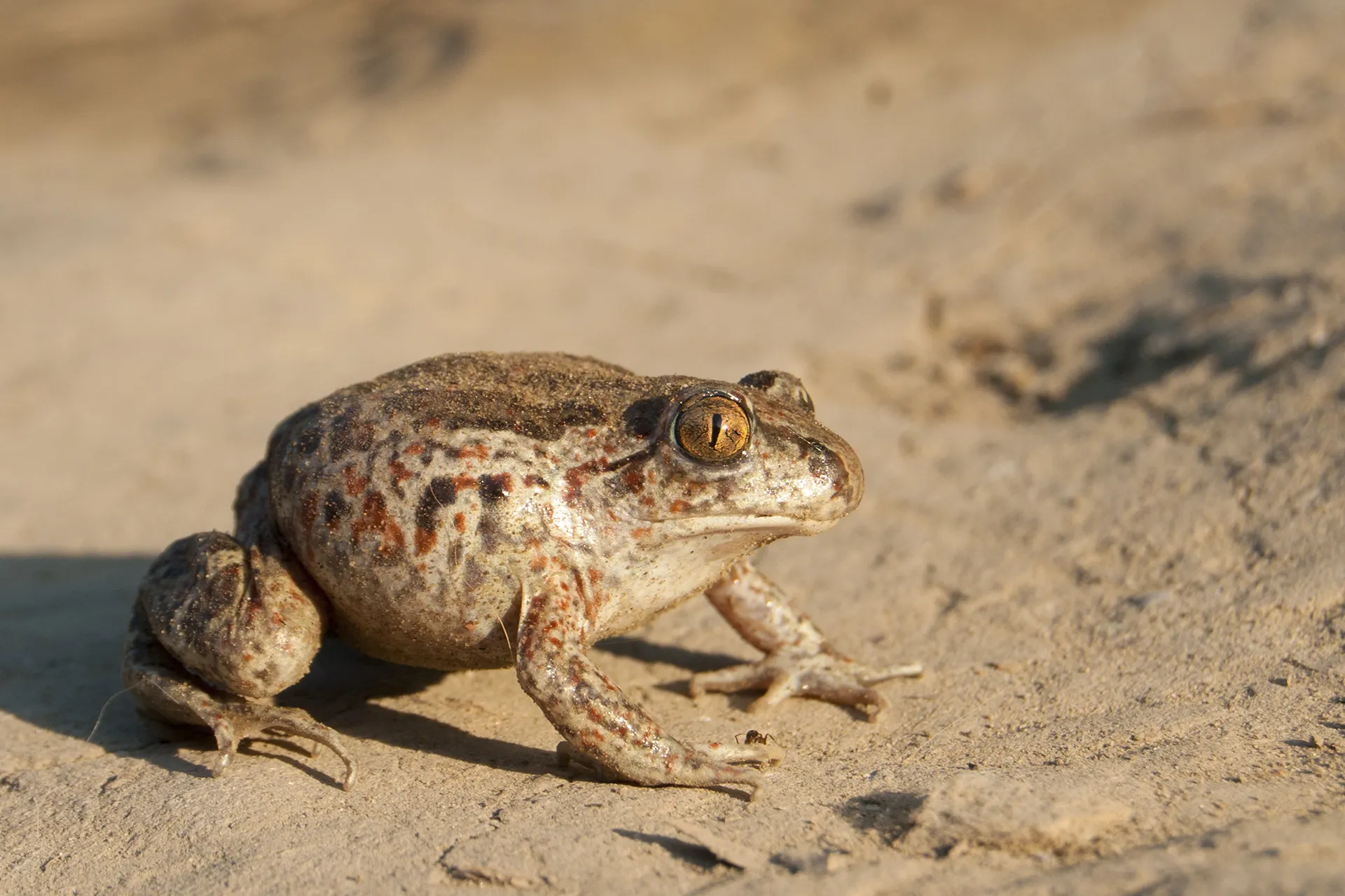
No. 4 on our checklistCommon Spadefoot (Pelobates fuscus)
Meet the Common Spadefoot of the Danube Delta: a burrowing night toad of sandy ridges, with giant tadpoles and a short spring breeding season.
The Common Spadefoot (Pelobates fuscus) spends most of its life underground. By day it lies buried in loose sand or soil; after dusk it digs its way out to feed, and by morning it has usually disappeared again.
In the Danube Delta, the sandy ridges, or grinds, give this burrowing toad dry ground to dig into, while ponds and flooded hollows nearby provide breeding water. It is a species of night-time sand rather than open channels.
Quick facts
Quick facts
- Scientific name Pelobates fuscus (Laurenti, 1768)
- Common name Common Spadefoot
- Family Pelobatidae (European spadefoot toads)
- Order Anura (frogs and toads)
- Length small; adults rarely longer than 5 cm, females larger than males
- Diet mainly ground-dwelling invertebrates; tadpoles feed on algae, detritus and small animals
- Habitat loose sandy or clay soils near ponds; in the Danube Delta, vegetated sand ridges and dykes
- Activity nocturnal and burrowing; hidden in the ground during the day
- Breeding early spring; thick egg bands wrapped around submerged plants
- Conservation status Least Concern in Europe and EU27, European Red List published in 2025; Habitats Directive Annex IV; Vulnerable in the Romanian Red Book of Vertebrates (2005)
When to see it in the Danube Delta and Dobrogea
- JanWinter rest
- FebWinter rest
- MarBreeding window
- AprBreeding window
- MayTadpoles
- JunTadpoles
- JulYoung emerge
- AugNight activity
- SepNight activity
- OctWeather-led
- NovWinter rest
- DecWinter rest
- Status here
- Indicative seasonal phases; the breeding period is short and depends on spring rain and temperature. No abundance estimate.
- IUCN Red List
- Least Concern in Europe and EU27 (European Red List published 2025)
- Our checklist
- No. 4 of 30 · see the full checklist
Description and identification
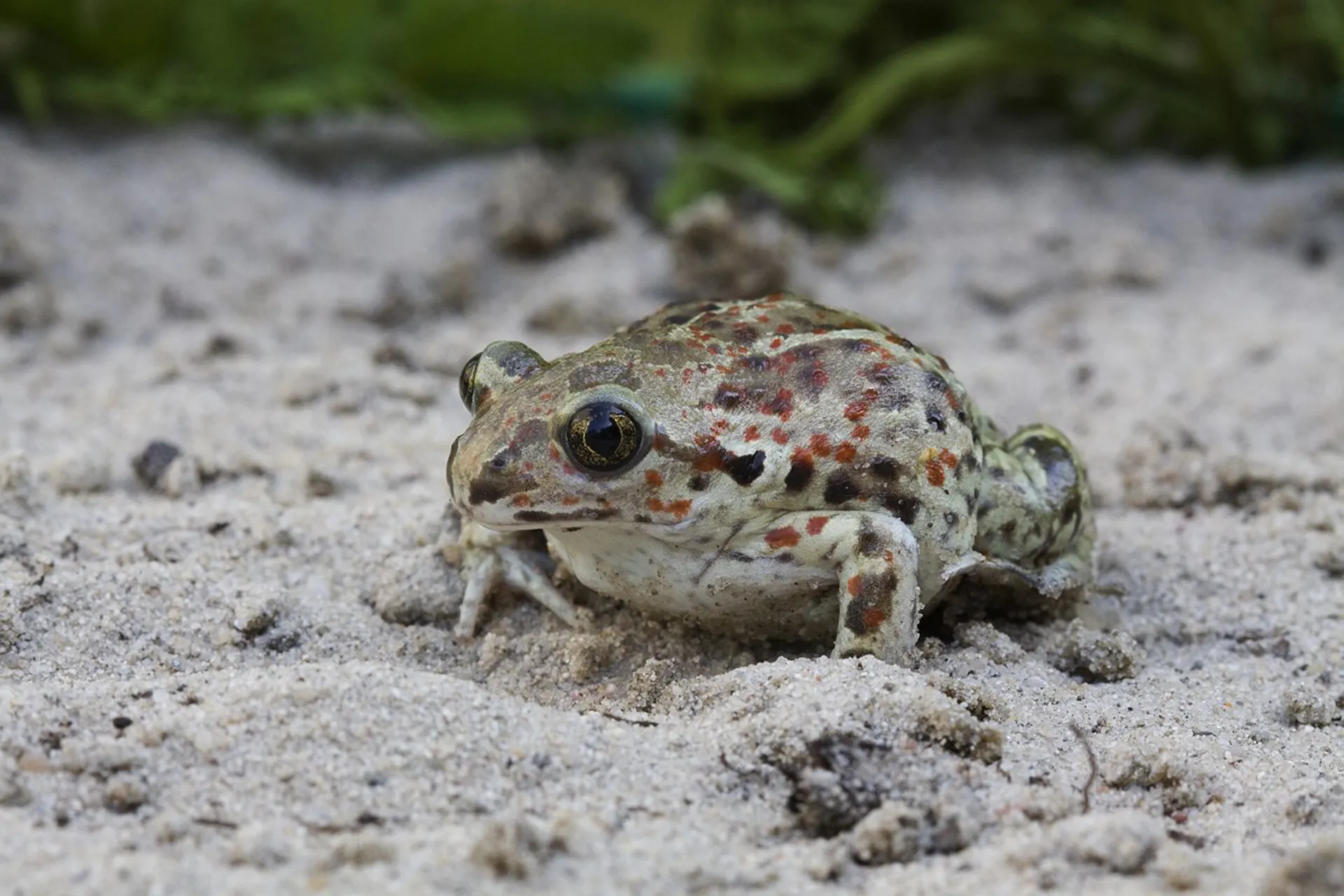
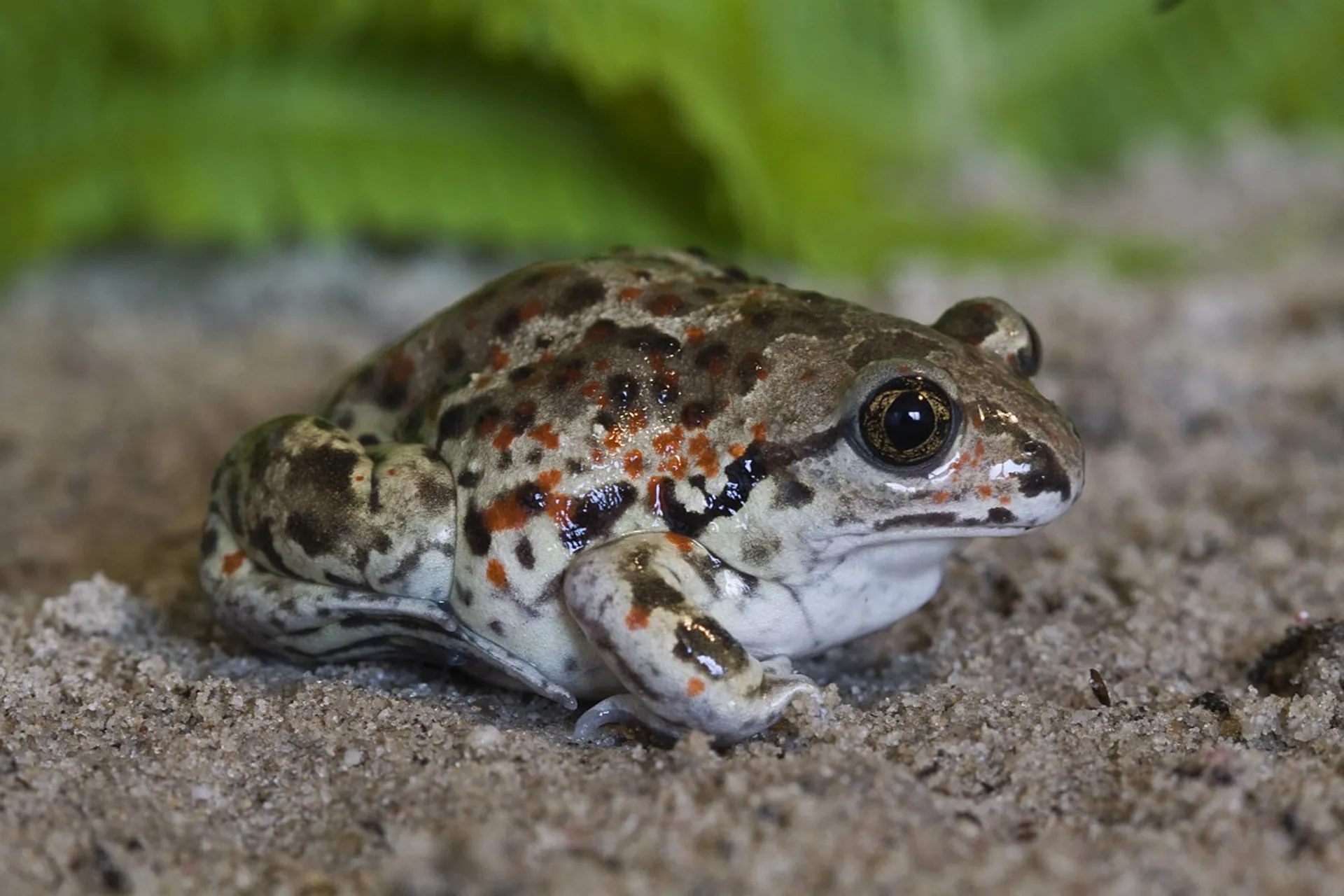
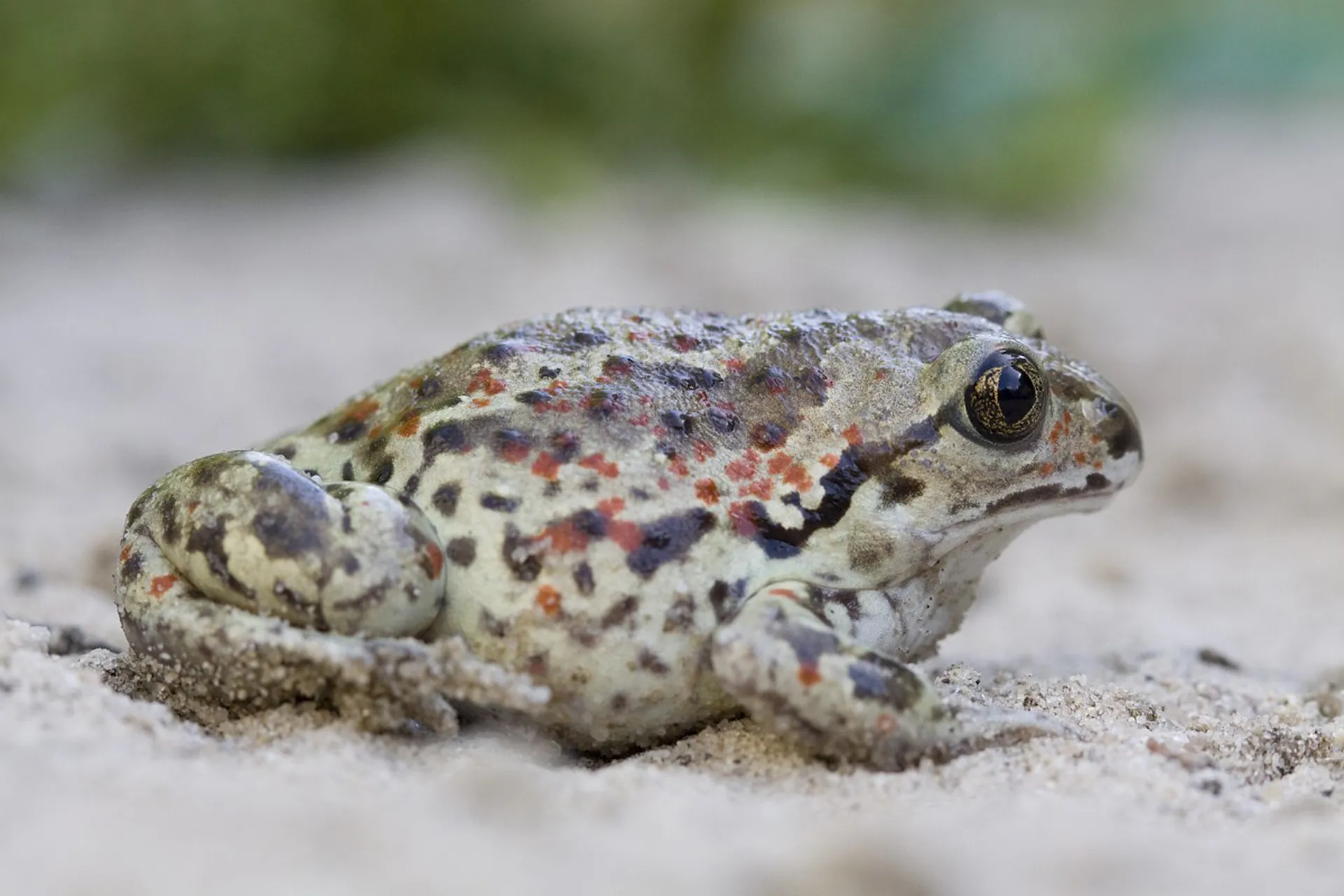
This is a compact, smooth-skinned toad with large, prominent eyes and a vertical pupil in good light. The back is pale gray, yellowish or brown, usually marked with large dark brown or olive blotches, and often with small reddish or orange dots. The belly is whitish.
The feature that gives the group its name is on the hind foot: a large, hard, pale grayish tubercle shaped like a blade. The toad uses it to dig backwards into the ground. Compared with the Balkan Spadefoot, which also occurs in Dobrogea, the Common Spadefoot is smaller, has a more domed head, better-developed webbing on the hind feet and is rarely greenish.
The species was first described as Bufo fuscus, and older literature sometimes includes eastern populations that are now separated as Pelobates vespertinus. The Danube Delta lies within the range of Pelobates fuscus in its current, narrower sense.
Sand ridges in a wetland landscape
Spadefoots need soil soft enough to dig into. In the Danube Delta, that requirement is met by sandy ridges and dykes that rise slightly above the surrounding water and reed. A regional record list for Dobrogea, published in 2009, gives localities for the species at Letea, Caraorman, C.A. Rosetti, Sulina, Sfântu Gheorghe and several lagoon-side ridges, together with many sites in continental Dobrogea.
A herpetological study around Sfântu Gheorghe, carried out between 2007 and 2010, found the highest densities on vegetated sand dykes crossing the wet area between the village and the beach. The species appeared to avoid bare sand and was not found on the open sands close to the sea.
The same authors saw many individuals emerging from the sand after dusk to forage, and only occasional animals during the day. During daylight, a habitat full of spadefoots can therefore look completely empty.
A life spent digging
A spadefoot buries itself backwards, pushing sand aside with its hind feet until it sinks out of sight. It can also use burrows made by other animals. For winter, it digs deeper; AmphibiaWeb mentions hibernation burrows down to about 2 meters.
When disturbed, the toad can release a skin secretion with a garlic-like smell, which explains the old English name Garlic Toad. A frightened individual may also inflate its body or give a loud alarm call. These are defensive reactions to stress, which is one more reason not to pick one up.
Adults feed mainly on invertebrates moving on the ground. The male’s breeding call is quiet and is given underwater, so it is easy to miss even when animals are present.
A short breeding season
Breeding takes place in permanent or temporary ponds soon after the animals leave hibernation. A Romanian study describes a short season, lasting only one to two weeks in early spring, followed by a long larval stage. The Romanian monitoring guide uses March and April as the main window for finding clutches.
The eggs are laid in a thick, sausage-like band wrapped around submerged vegetation. AmphibiaWeb gives a range of roughly 480–3,000 eggs per clutch, with bands up to about 1 meter long. They are easy to distinguish from the much thinner strings of true toads.
Giant tadpoles
The larvae are the most impressive stage of the life cycle. The Romanian monitoring guide describes them as the largest larvae of any native amphibian in Romania, exceptionally reaching 16 cm, while the adults are much smaller. Metamorphosis usually happens between July and September, and the young toads then leave the water and begin digging.
Water quality can limit breeding near the coast. An experiment with Romanian tadpoles found that they tolerated slightly brackish water up to about 4‰ salinity, while all larvae died at 8‰. That population came from an inland pond, and the authors note that coastal populations may differ.
A study of two populations living side by side in the Danube Delta Biosphere Reserve found that Common Spadefoots were on average about 5 years old, younger than the Balkan Spadefoots sharing the same site, and that females were clearly larger than males.
Conservation and responsible observation
The European Red List published in 2025 assesses the Common Spadefoot as Least Concern in Europe and the EU27. In Romania, the 2005 Red Book of Vertebrates lists it as Vulnerable. It is protected under Annex IV of the EU Habitats Directive and by Romanian legislation. These assessments work at different geographic scales and do not contradict each other.
The species depends on two habitats at once: loose soil for most of the year and suitable ponds for a few weeks in spring. Losing or altering either can affect a local population. Sandy ridges are also places where people walk, drive and build, so disturbance there matters.
Do not dig for buried animals, leave egg bands and tadpoles in the water, and avoid driving on sand tracks at night after rain. The calendar above shows seasonal activity, not how many toads are present.
Looking for it on a birdwatching tour
Our multi-day birdwatching tours visit the Letea and Caraorman areas, where spadefoots live on the sandy ridges. While we look for birds, we also watch for other wildlife, including reptiles and amphibians. A Common Spadefoot is unlikely to show itself during a daytime visit, but it is a good reminder that these ridges hold more wildlife than they reveal by day.
See it with us
Slow open boats, small groups and a guide who knows the places and the wildlife. From a few hours on the water to a week in the Danube Delta and Dobrogea.
Keep reading
Keep reading
More from the blog
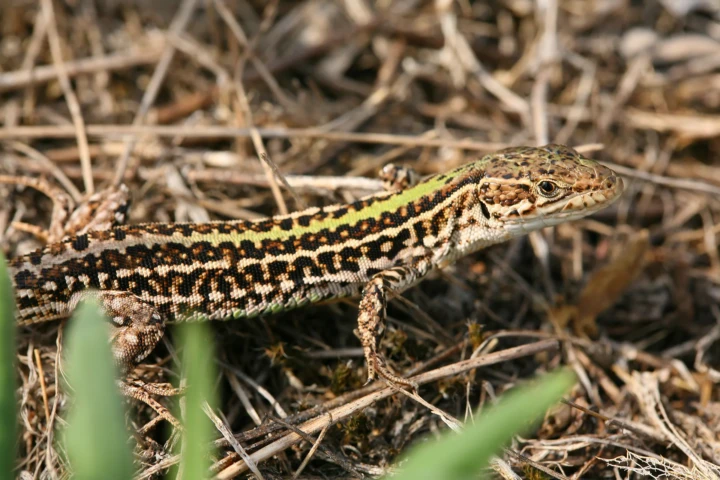
4 min read
Balkan Wall Lizard (Podarcis tauricus) in Dobrogea
Meet the Balkan Wall Lizard, a small, colorful lizard of the Dobrogean steppes and the southern Danube Delta: identification, where it lives, names and...
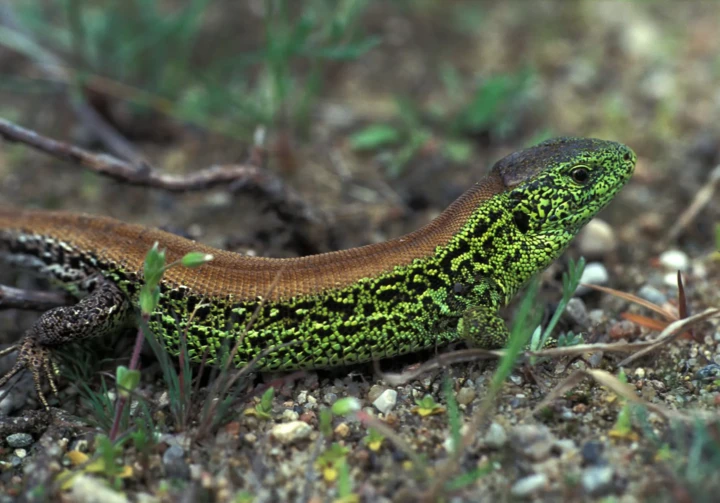
5 min read
Sand Lizard (Lacerta agilis) in the Danube Delta
Meet the Sand Lizard, a common and photogenic lizard of the Danube Delta levees and Dobrogea: identification, where to see it, the euxinica subspecies,...
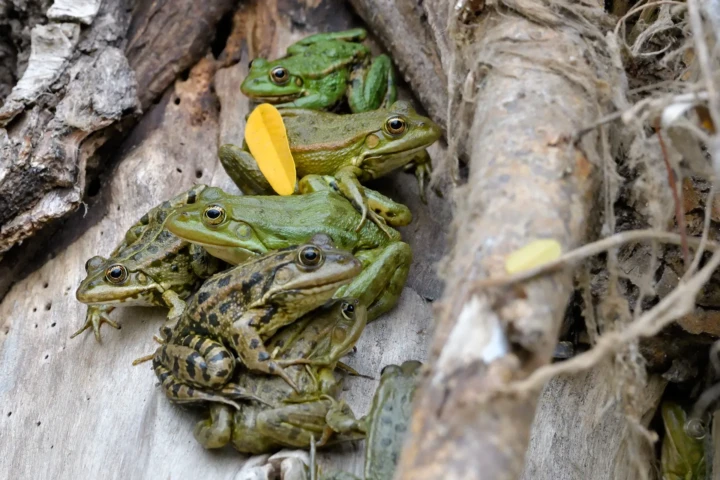
6 min read
Marsh Frog (Pelophylax ridibundus)
The largest frog in Europe and the laughing voice of the delta's channels. Discover the marsh frog, how to recognise it, and where to...