

The Day Trip to Letea Forest: Old Oaks, Dunes and Free Horses
Old oaks growing between the dunes, horses roaming free and a village of blue houses: what you see on the trip to Letea Forest, season by season.
Letea Forest is one of the places that make the Danube Delta unlike anywhere else. In the middle of a world of water rises a ridge of sand, with dunes, dry steppe and long strips of old oak forest growing between them, and horses roaming free among the trees. Getting there is part of the experience: a journey across the Danube Delta, from the reed channels of the river delta to the sand of the marine delta.
Quick facts
- Where The Letea ridge, in the north of the Danube Delta, between the Chilia and Sulina branches
- Protected Protected since 1930, a nature reserve since 1938, today a strictly protected area of the Danube Delta Biosphere Reserve
- What you see Old oaks, sand dunes, climbing lianas, free roaming horses and a traditional village
- Best seasons Spring and autumn; in summer the walk is shorter because of the heat
- With us Shared day trip from Tulcea, private day trip, or a day of our nature tours from Mila 23

A forest between the dunes
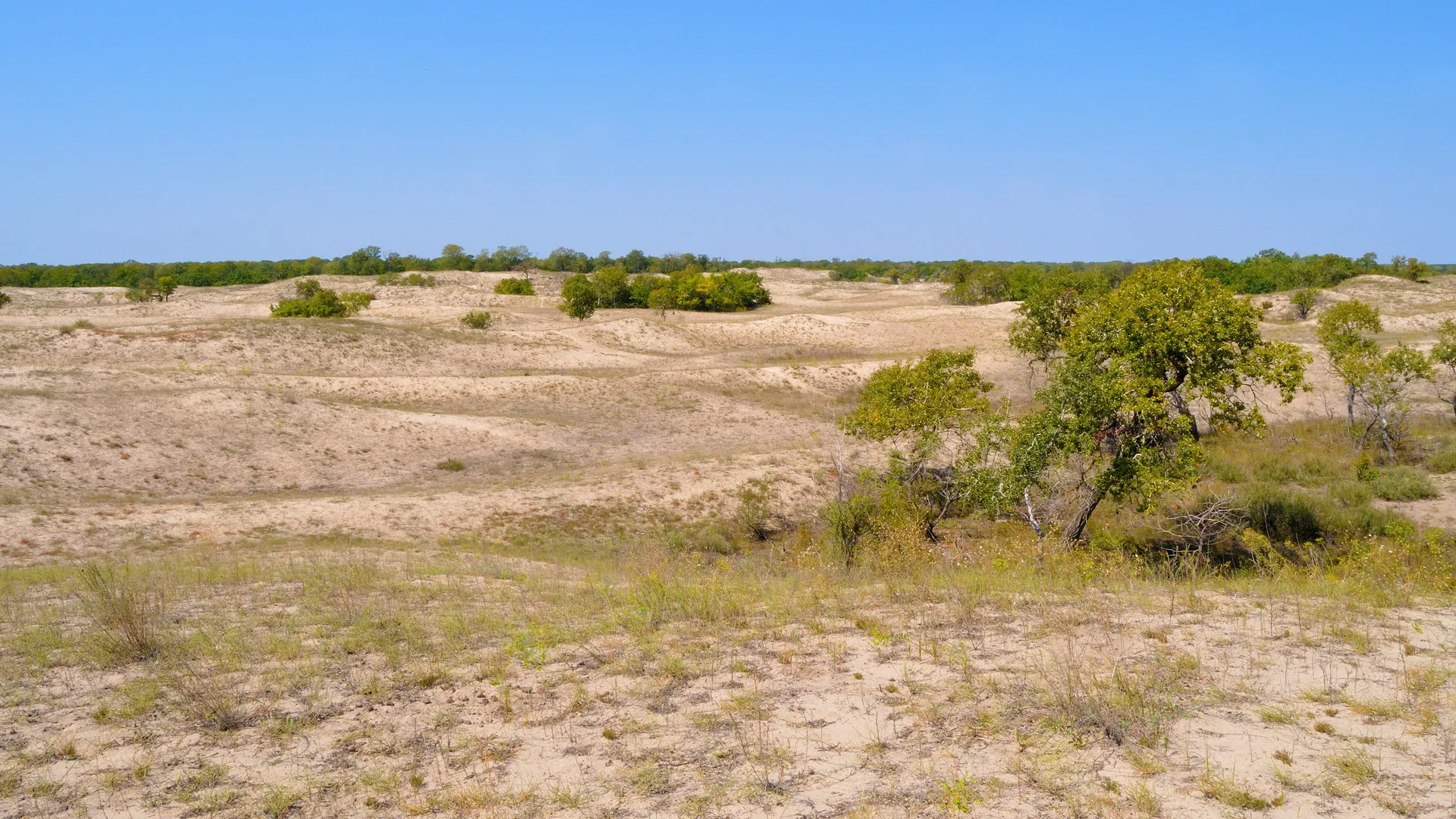
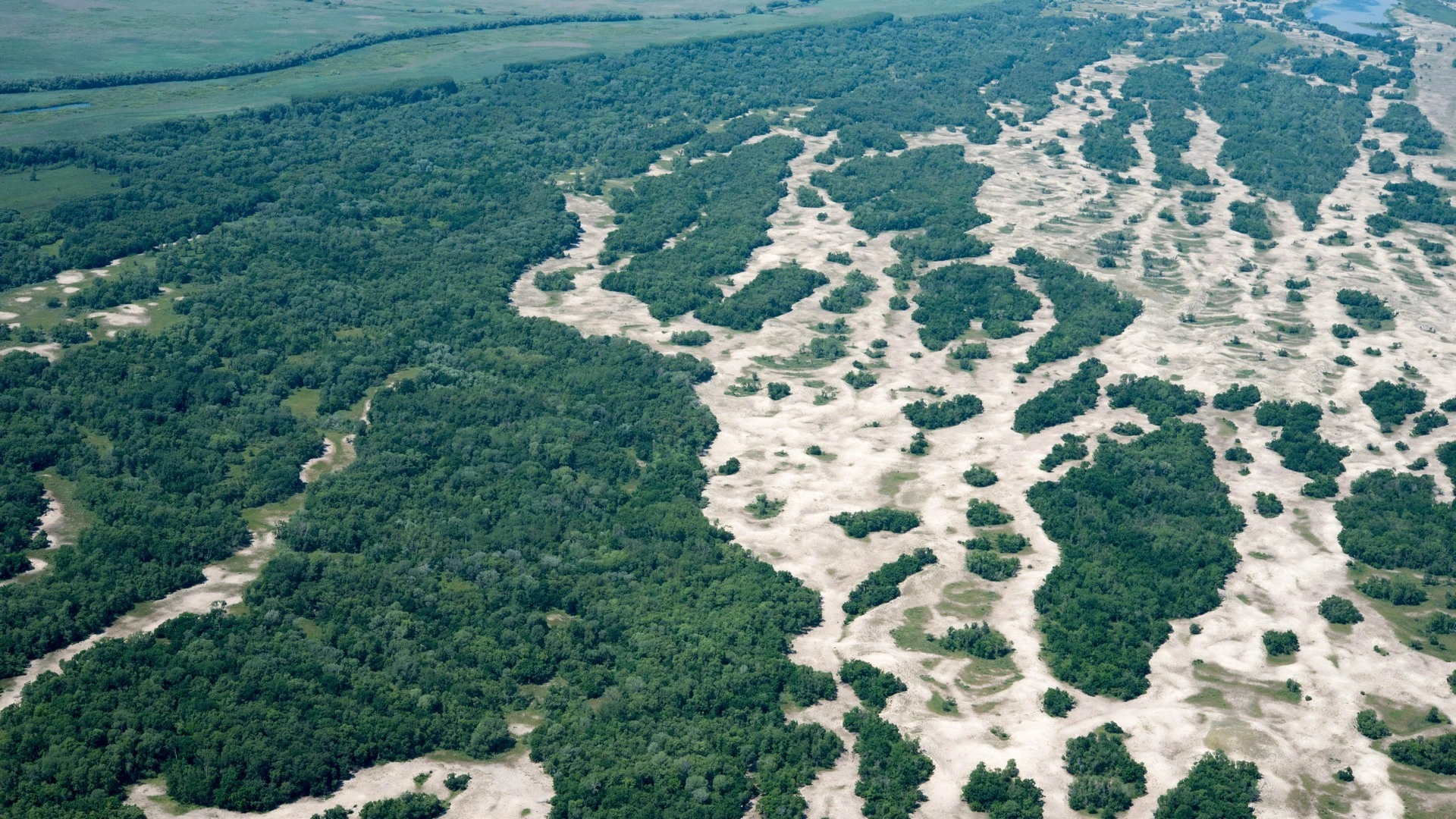
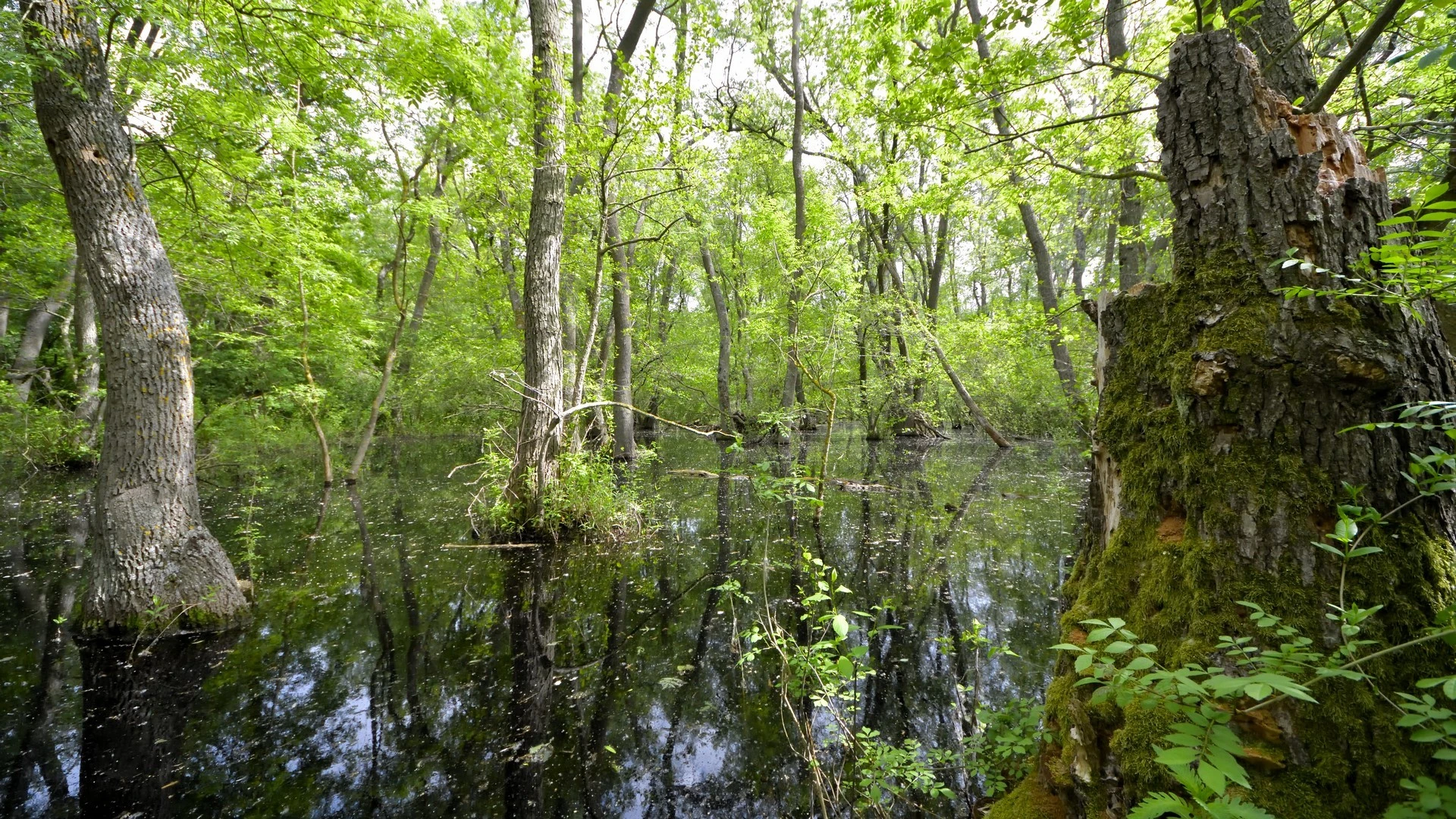
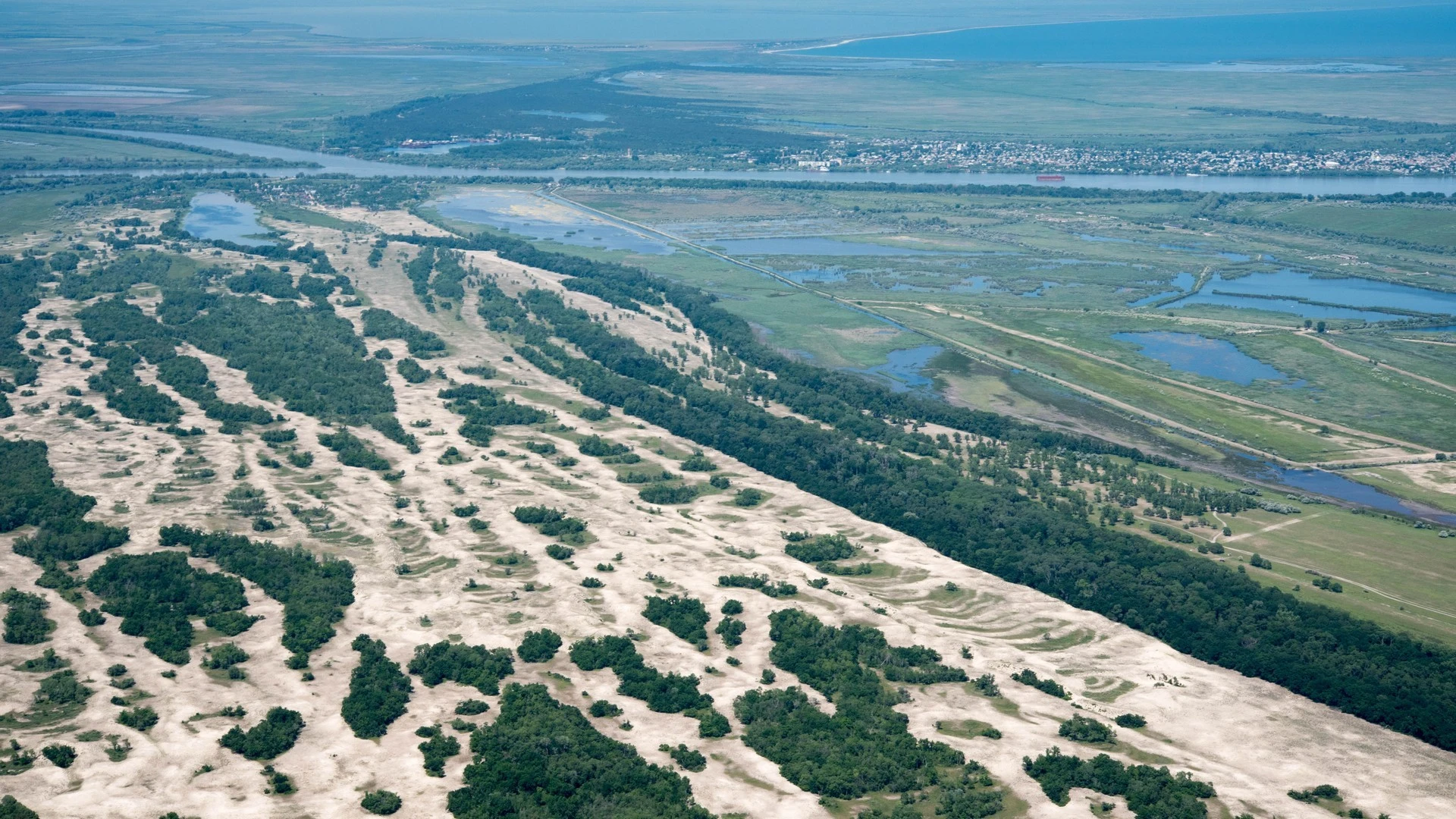
The Letea ridge is a long bank of sand left behind by the sea, one of the oldest parts of the Danube Delta. From above it looks like a desert crossed by green stripes. The stripes are the forest, which the locals call hasmac. The oaks cannot grow on the salty sand of the dunes. They grow between them, in the hollows where channels once flowed across the ridge and left a layer of fertile freshwater silt. That is where the roots find water and soil, and that is why the forest grows in long, narrow strips.
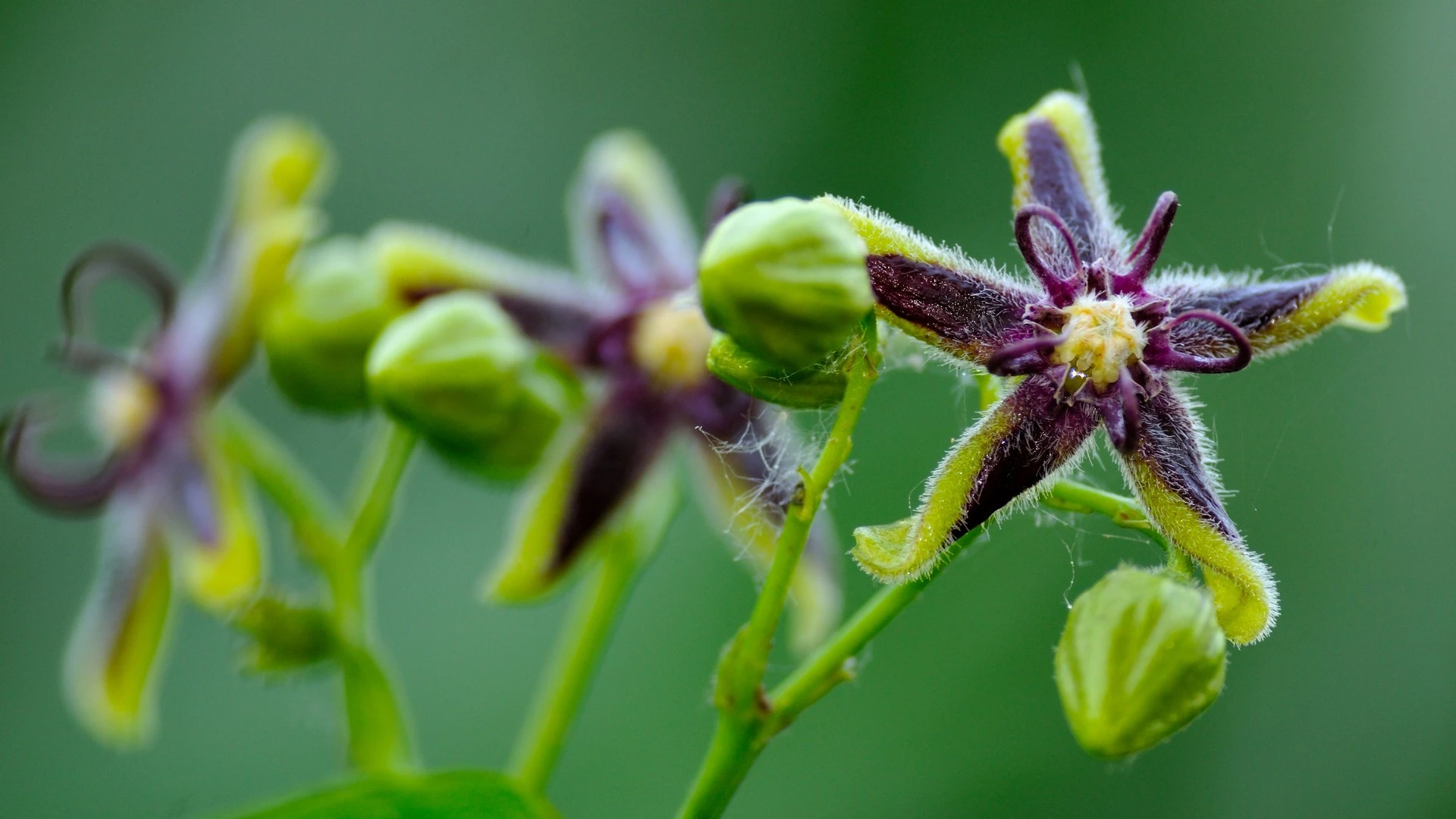
Pedunculate oaks dominate, with ash, white poplar and lime trees. Many of the oaks are several centuries old, and the wind and the sand have twisted them into strange shapes; your guide tells you how they got them. Climbing plants hang from the branches, the silk vine Periploca graeca, old man’s beard and the wild vine, and give the forest an almost subtropical look. In spring, several species of orchids flower on the meadows and in the shade of the trees.
Nearly a century of protection
Letea is one of the oldest protected places in Romania. King Ferdinand signed the decree for its protection in 1926, but he was already very ill and died the following year, so the decree was put into practice only in 1930, under the new king. From then on Letea was an area of scientific interest that nobody was allowed to touch. In 1938 it became a protected area in its own right, on the model of the Retezat National Park, created two years before.
The horses of Letea
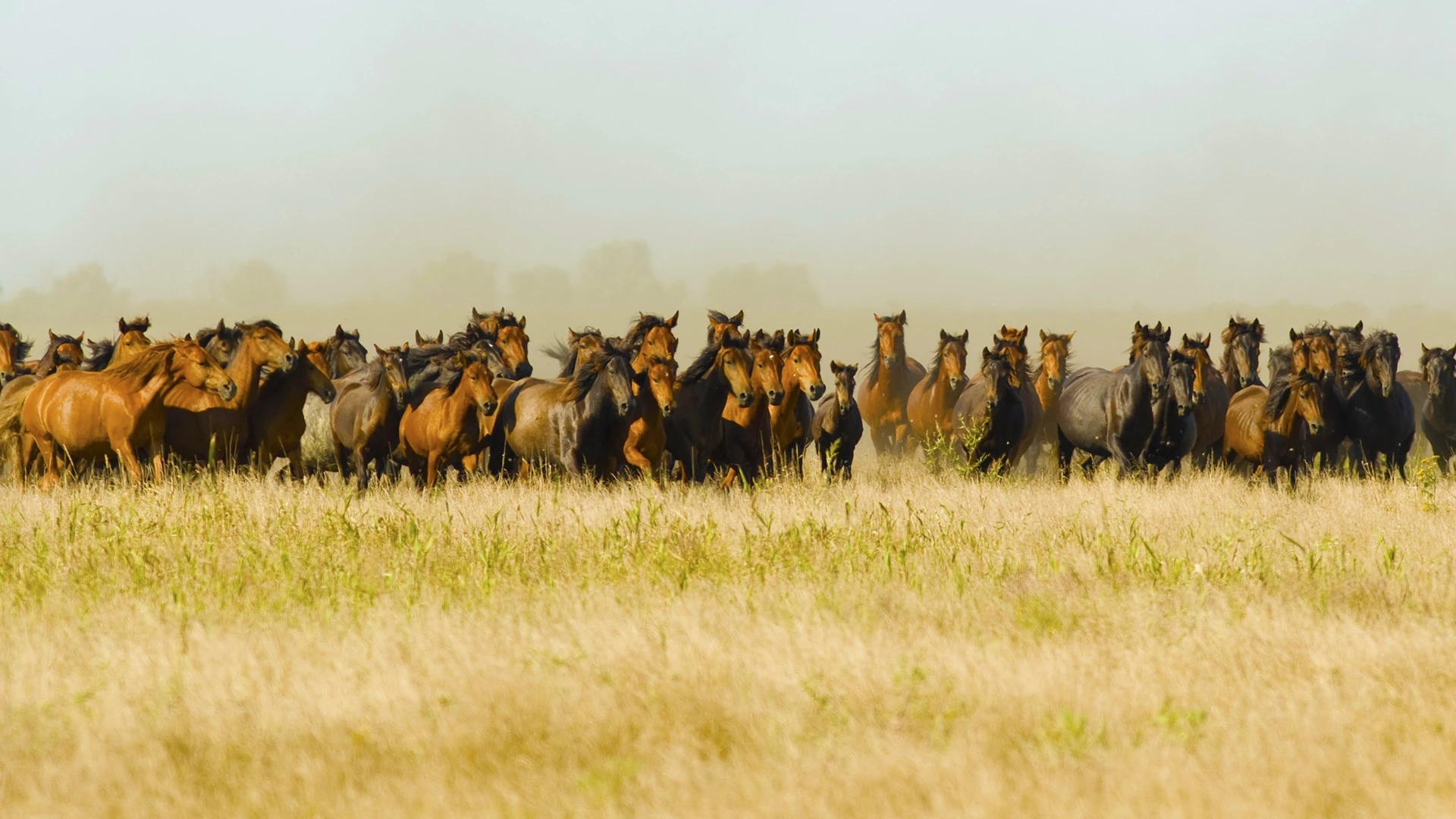
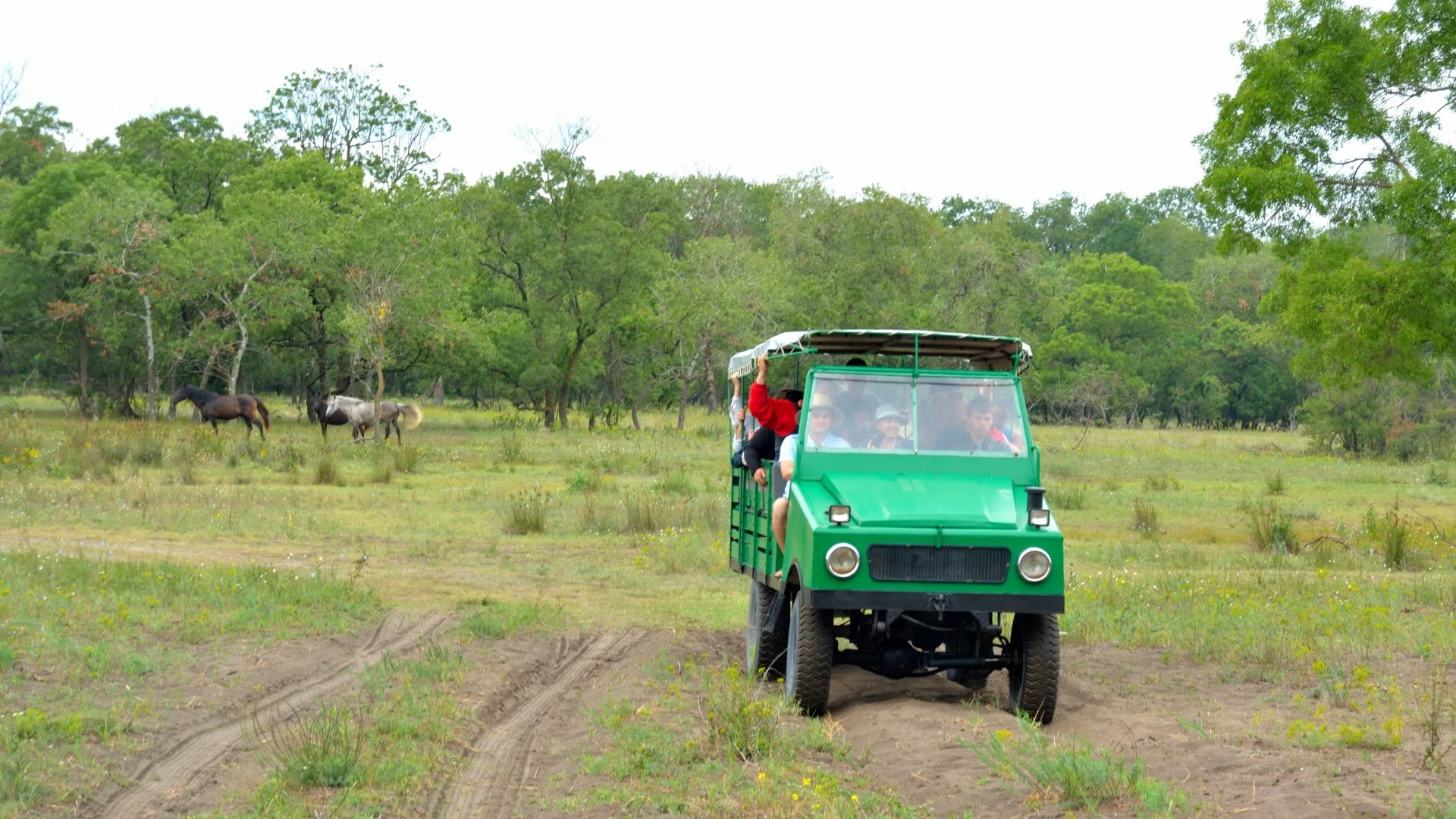
For many guests the horses are the highlight of the day. They are not an ancient wild breed: they are domestic horses left free when the collective farms closed, after the fall of communism, as people in the villages switched to cars and tractors. Since then they have lived on their own, in herds led by stallions, grazing on the meadows and sheltering in the forest. You can read their story in Wild Horses of the Danube Delta.
Meeting them depends on the season and the hour. In spring they graze in the open, the stallions challenge each other and the first foals walk beside their mothers. In the heat of summer they spend the day in the shade of the forest and graze mostly at night, so seeing them is more a matter of luck.
Letea village
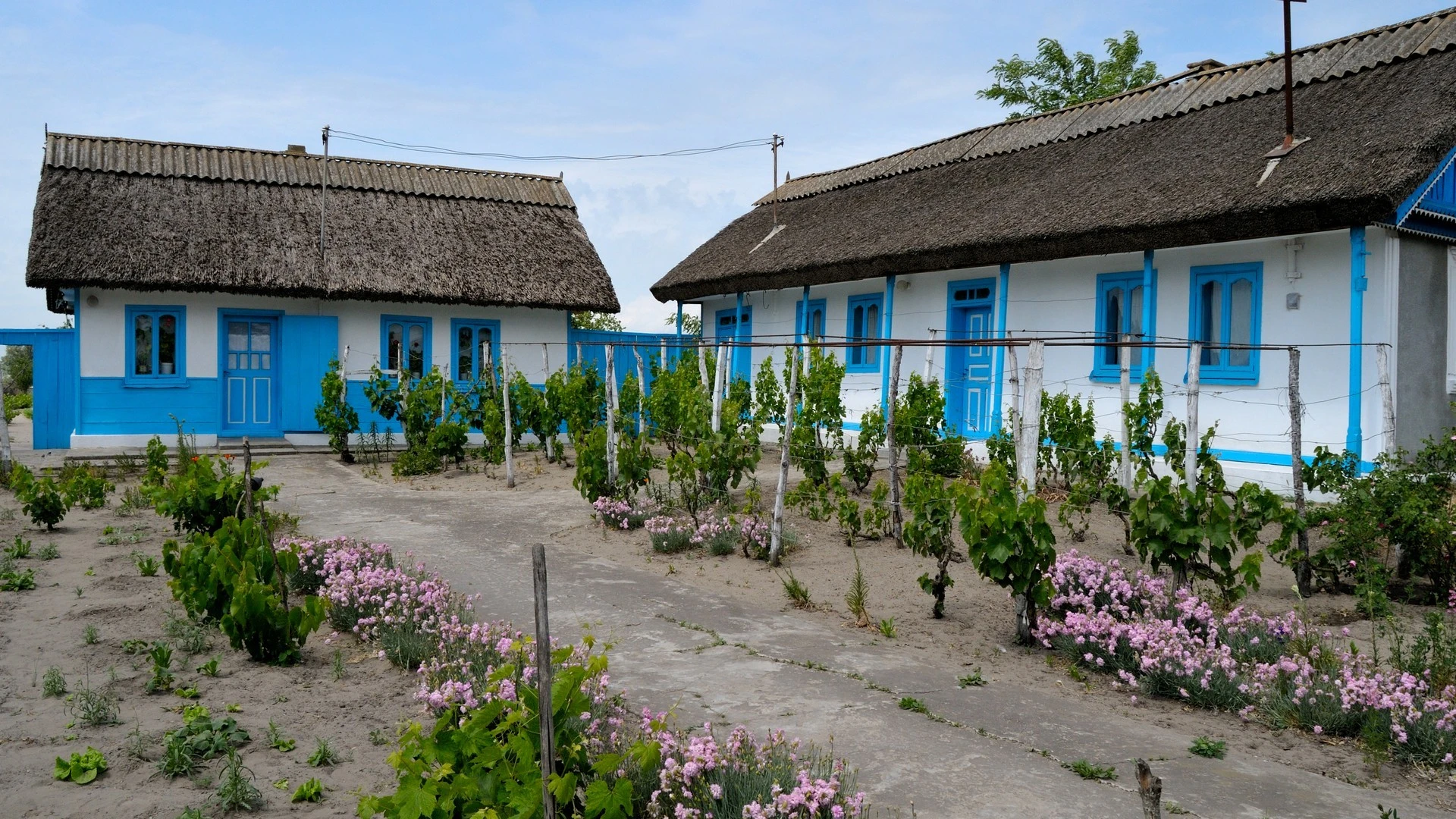
The visit starts in Letea village, one of the places in the Danube Delta that has best kept its traditional look. Letea is a Ukrainian village, but many of its people are Lipovans, and many houses are built in the Lipovan style, with walls of clay and wood, reed roofs and the strong blue you can read about in Lipovan Blue. From the village a safari car takes you along the sandy tracks to the edge of the forest.
On foot, on the marked trail
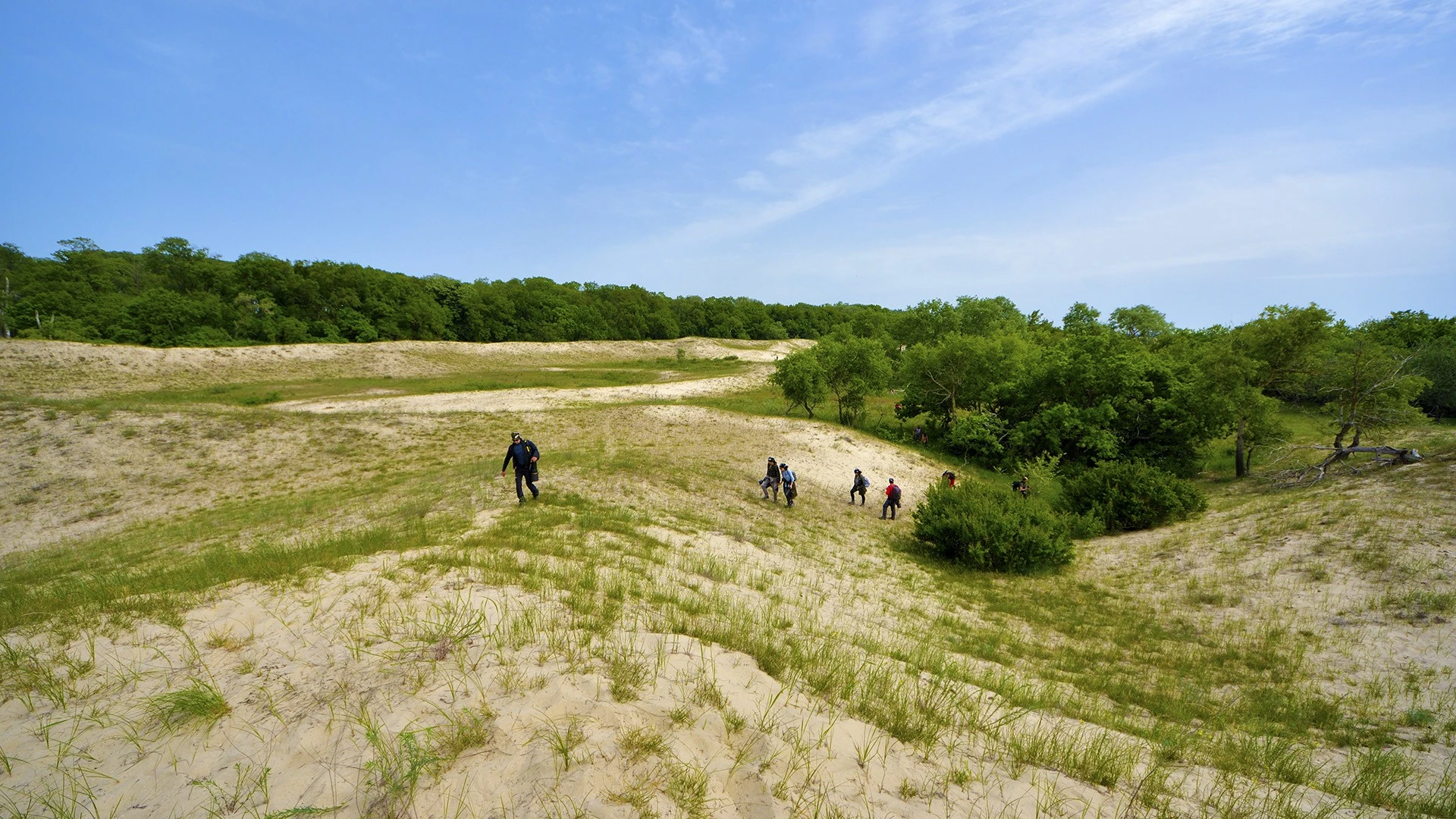
The cars stop where the trail begins, and from there you walk. Letea is a strictly protected area, and the trail is there so that the rest of the forest is left in peace: you stay on the path, nobody climbs on trees or lianas and nobody picks plants. You cross the sand to the dunes, walk into the shade of the old oaks and come back on another path, where your guide shows you some of the rarer plants of the ridge.
The length of the walk follows the season. In spring and autumn the air is mild, the walk can be longer, and every extra step is worth it. In summer the sand gets very hot towards midday, so the walk is shorter.
Places along the way
The old oaks of Tarla Popii. Two of the oldest oaks of the forest. Stories give them a thousand years; they are in fact several centuries old, which is impressive enough. Lianas once hung from them like ropes, until visitors broke them swinging on them for photos. Only a few thin vines are left.
The high dunes. The highest dunes of the Danube Delta rise at Letea, at Hasmacul Mare. They are closed to visitors, because people climbing on them were destroying them.
The small dunes. Closer to the track, a few minutes’ walk away, with a wide view of sand and forest beyond them.
Omer’s Well. A Turk called Omer once lived here, and the remains of his hut can still be seen near the well. Access has been closed since 2019, after visitors left the place full of plastic bottles.
Letea through the seasons
In spring everything is fresh and green. Orchids flower on the meadows and under the trees, the horses graze on the new grass, stallions challenge each other and foals follow their mothers. The mild days let you explore further, and your guide knows where the orchids grow.
In summer the contrast is strongest: the green strips of forest against the brown, dry steppe of the dunes. You feel the heat of the sand and then the cool shade under the oaks, and the forest is full of birdsong.
In autumn the air cools, the horses come back to the meadows and the autumn flowers bloom. The forest turns late: in September everything is still green, and the colours come only in the second half of October.
What to expect, and what to wear
Letea does not look like a mountain forest, a park or a village wood. It looks like Letea: a desert in the middle of the water, a forest in the desert, a world of contrasts. Guests who come expecting an ordinary forest are often surprised, so come curious.
Dress for a walk on sand: comfortable closed shoes, clothes for the season, and in summer a hat and water. Sandals, slippers and fancy clothes stay at the guesthouse.
How to visit Letea with us
On the shared day trip from Tulcea the journey matters as much as the destination: the boat crosses the Danube Delta from the river delta to the marine delta, through very different landscapes. With the private day trip the boat is yours, and the earlier the departure, the quieter the water and the forest. Letea is also a day of our 4 day nature tour and of the 3 day tour from Mila 23, and in July and August of the Summer Nature Escape, which goes to Letea in the late afternoon.
In Letea village you can have an optional lunch in a traditional household: fish soup, baked fish with potatoes and the Letea doughnuts for dessert, for 100 to 150 RON (€20 to €30) per person, paid in cash.
See it with us
Slow open boats, small groups and a guide who knows the places and the wildlife. From a few hours on the water to a week in the Danube Delta and Dobrogea.
Keep reading
Keep reading
More from the blog

5 min read
Sulina: the Old Port Town where the Danube Meets the Black Sea
The only town in the Danube Delta: the European Commission of the Danube, the old lighthouse, the cemetery of many nations and the beach.
5 min read
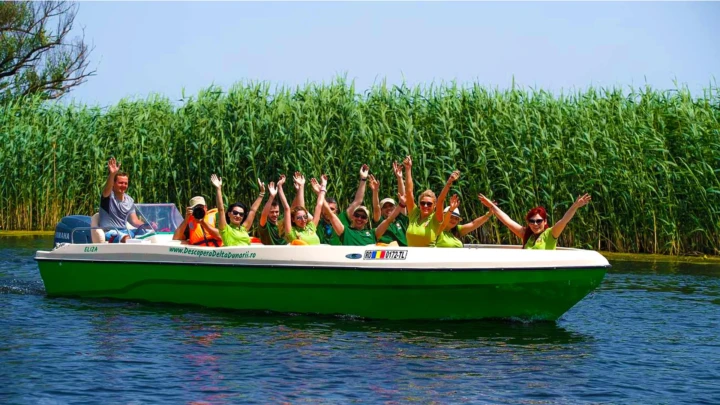
Our Boats for Danube Delta Trips
No roof, no windshield, nothing between you and the Danube Delta: the open boats we built for slow, quiet trips with a clear view...

3 min read
Romania at a Glance: Landscapes, Regions and Highlights for Visitors
Mountains, plains, the Danube Delta, Transylvania's castles and the painted monasteries of Bucovina: a short portrait of Romania for visitors.