


Letea Village: the Reed-Roofed Houses on the Sand Ridge of the Northern Danube Delta
The village on the sand ridge in the north of the Danube Delta: where its name comes from, Hahols, Starovery and Romanians, the clay and reed houses and the windmills of the past.
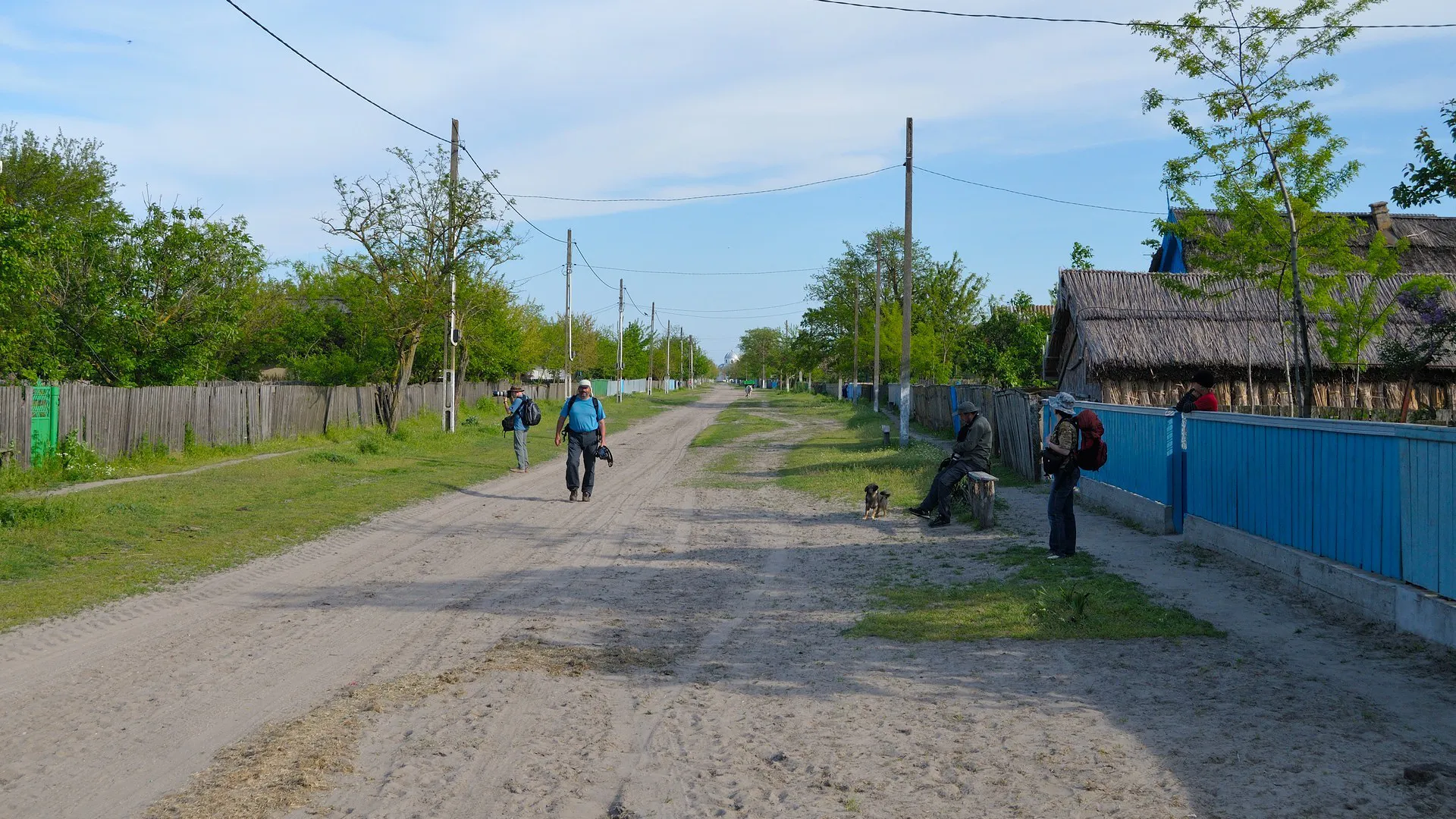
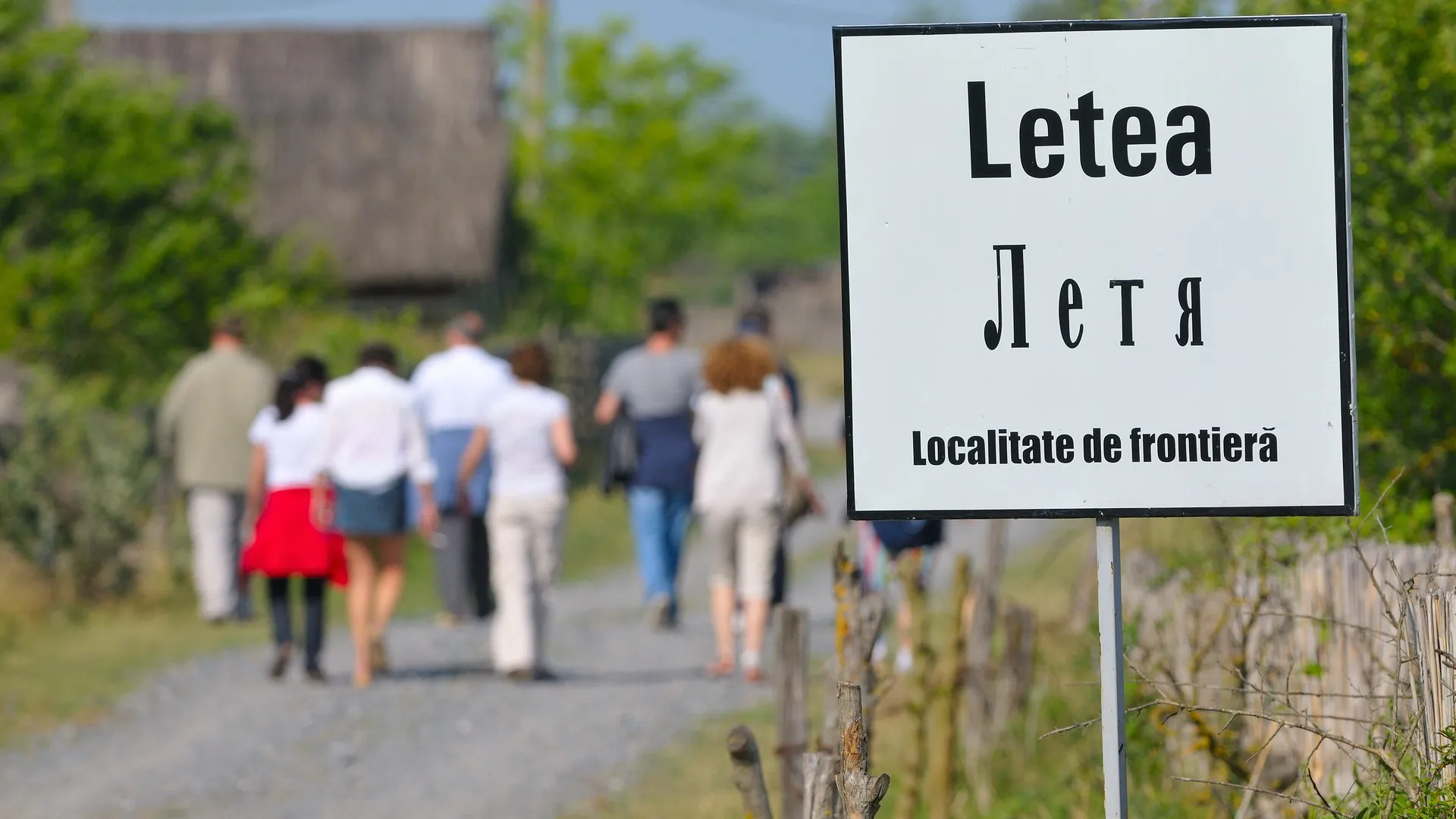
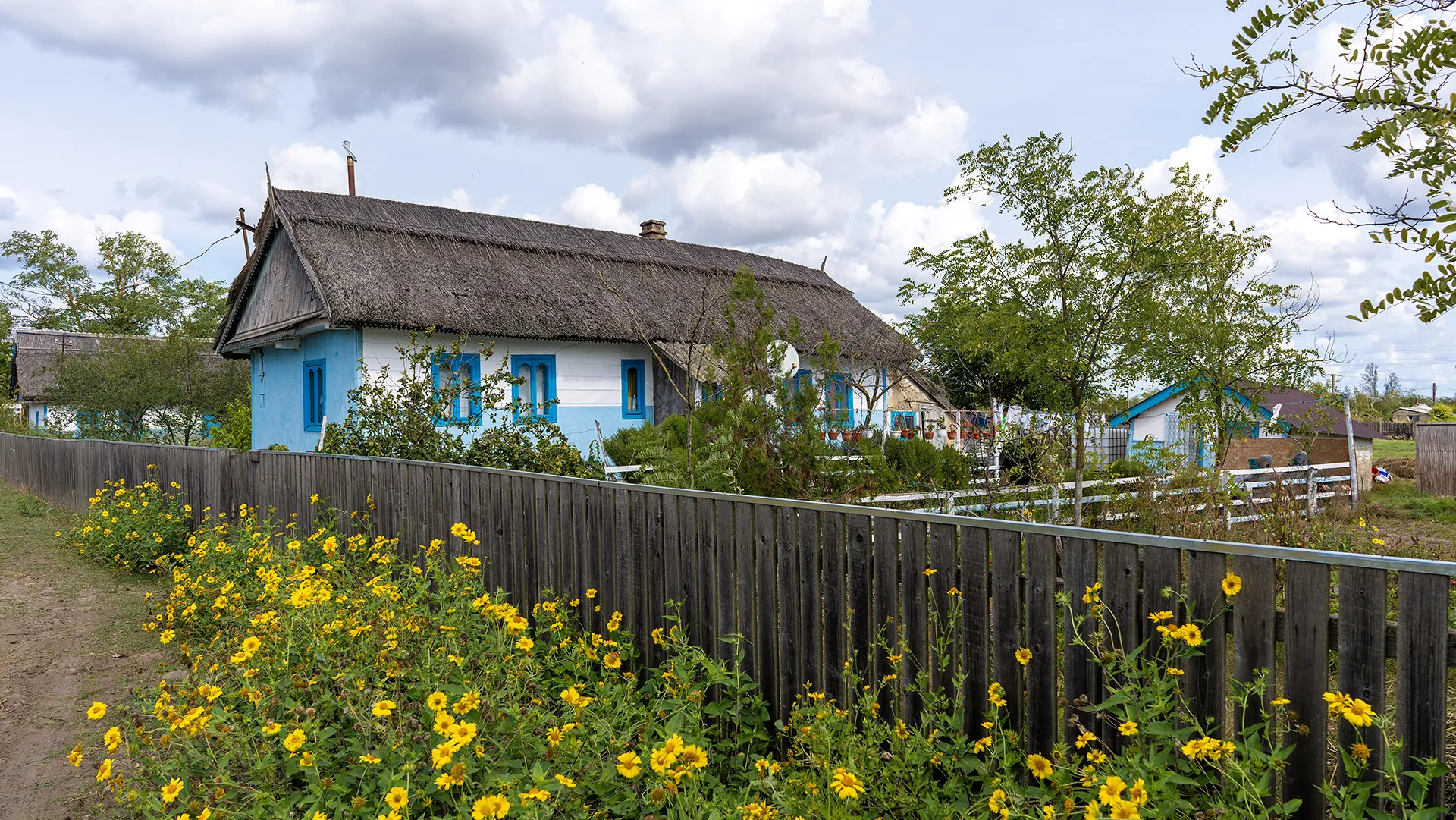
Letea is the village on the sand ridge in the north of the Danube Delta, at the edge of the forest that bears its name. The lanes are sand, the houses have white walls, blue windows and reed roofs, and the homesteads stand far apart, among gardens and pastures. It is one of the villages of the Danube Delta that have best kept their traditional look, and it deserves the same attention you give the forest.
Quick facts
- Where on the Letea sand ridge, between the Chilia and Sulina arms, in C.A. Rosetti commune
- Old name Nedilchioi; on a French map from 1800 it appears as “Lete”
- Inhabitants 270, at the 2021 census
- The community Hahols (Ukrainians), Starovery (Lipovans) and Romanians
- What you see houses of clay and wood with reed roofs, sandy lanes, pastures and Letea Forest at the edge of the village
- With us the day trip from Tulcea, or one day of our stays in Mila 23
A Village Built on Sea Sand
The Letea ridge is a sandbank left behind by the sea, one of the oldest parts of the Danube Delta. The village lies in the middle of the ridge, a few kilometres west of C.A. Rosetti, the centre of the commune. Letea Forest stretches to the north. On the other sides there are fields and pastures, and to the west a canal separates the ridge from the lakes, marshes and floating reed islands of the river delta.
The village is long and narrow, running from northwest to southeast, because it follows the old sand ridges of the former coastline. The homesteads are spread out, with cultivated plots and pastures between them. Fine sand is everywhere: in the lanes, in the yards and on the tracks to the forest.
Where the Name Comes From
The village already appears on a French map from 1800, as “Lete”, a sign that people lived here even earlier. In the Ottoman period it was called Nedilchioi, the village of Nedil, after a pasha who governed the Danube Delta. Today’s name most likely comes from a Slavic word for a summer shelter, the place where cattle graze in summer. The good pastures around the village support this explanation.
Hahols, Starovery and Romanians
At the end of the 19th century, Letea was a Lipovan village. In 1896 all 334 inhabitants were Russian Lipovans, and they built the church in 1865 and the school in 1880. In the 20th century the village grew to about a thousand people, and Ukrainians and Romanians settled here as well.
The Lipovans call themselves Starovery, the keepers of the old faith. The Ukrainians of the Danube Delta are called Hahols, from hahlâ, the tuft of hair on the crown of the head worn by the Cossacks, a Tatar inheritance for which they were mocked. Tradition links them to the Zaporozhian Cossacks, who took refuge in Ottoman territory after 1775, when Russia dissolved their Sich on the Dnieper.
After generations of marriages between families, the line between the communities has faded, and it is hard to say where each family comes from. Today almost anyone you ask in the village will tell you they are Hahol; a few consider themselves Starovery and a few Romanian. Some locals say their grandparents came from beyond the Tisza River and built houses in place of huts. Ukrainian songs live on in the Bila Roja ensemble, the White Rose, with accordion (harmoska), which sings at shows and food festivals.
Houses of Clay, Wood and Reed
The traditional houses of Letea have walls of clay and wood, whitewashed, and windows painted blue. You can read about this colour in our article Lipovan Blue. The roof is made of reed, and the village craftsmen work it with a single tool, the năboica, with which they beat the bundles until the roof is smooth and compact.
Since 2012, the Letea in UNESCO association, founded by Asociația Salvați Dunărea și Delta and the Ecopolis Centre, has worked for the village to receive UNESCO cultural site status, together with the craft of reed roofing.
The Windmills of the Past
Dobrogea was long called the Land of Windmills, and Letea had five windmills, which today you see only in old photographs. After the floods of 1970 the area was diked, and the mills were demolished or left to decay during the communist period. Today not a trace of them remains.
What People Live On
Fishing was the main occupation of the villagers. Livestock has always had an important place, thanks to the pastures on the ridge. The horses that roam free around the forest today come mostly from the villagers’ horses, and their story is told in The Free Horses of the Danube Delta. Today tourism brings an ever more important income, and some families have opened guesthouses.
The Painter Born in Letea
The painter Stavru Tarasov was born in Letea in 1883. Between 1903 and 1905 he studied at the School of Fine Arts in Iași, while also a student at the Conservatory in the same city. He died in Brașov in 1961. His painting Peisaj din Deltă, a landscape of the Danube Delta, is in the collection of the Tulcea Art Museum.
Lunch in Letea
On our trips you can have lunch, optionally, in a household in the village, with traditional fish dishes and the famous Letea doughnuts. A lunch in the village supports the families of Letea and the local community.
Visiting Letea Village with Us
The day trip from Tulcea crosses the Danube Delta from the reed-lined channels of the river delta to the sand of the marine delta. You reach Letea around midday. From the village, a safari car takes you to the forest, which you can read about in The Trip to Letea Forest. Our guides explain why this place is unique in the world and why it is a privilege for any nature lover to discover it.
See it with us
Slow open boats, small groups and a guide who knows the places and the wildlife. From a few hours on the water to a week in the Danube Delta and Dobrogea.
Keep reading
Reach Letea with us
Related tours

Destinations: Danube Delta
A day by boat from Tulcea to Letea, with a coffee stop in Mila 23, a safari car to Letea Forest and an optional lunch in a local household.

Destinations: Danube Delta
A boat and a guide only for your group, from Tulcea to Mila 23 and Letea, at your own pace, with a safari car to Letea Forest and lunch in a local household.
Destinations: Danube Delta
Two nights in a fishing village reached only by water, with an evening on the lakes, a sunrise tour and a day trip to Letea Forest.
From €400 per person
See the tour: Discover Danube Delta Tour 3d/2n, Letea day trip, 2027 SHAREDKeep reading
More from the blog

3 min read
Does the Low Water Level of the Danube Affect Trips in the Danube Delta?
Over the past few days, many travelers have contacted us after seeing news reports about the Danube’s unusually low water levels. Naturally, they wanted...

6 min read
Mila 23: the Lipovan Village in the Heart of the Danube Delta
A village reached only by boat, on the Old Danube: 6,000 years of history, Lipovan Blue houses and the canoe champions who made Mila...

3 min read
Sunrise on the Water: the Morning Boat Trip from Mila 23
Mist on the channels, fishermen at their nets and pelicans starting to fish: the sunrise trip shows the Danube Delta as very few people...