

Autumn in the Danube Delta: Mist, Migration and Golden Reeds
Gathering flocks, young pelicans learning to fish, misty sunrises and golden reeds: what you see in the Danube Delta in autumn, month by month.
What can you see in the Danube Delta in autumn? Surprisingly much. The birds gather for migration, the young of the year try their wings, the mornings rise out of the mist and the reeds turn gold. And the Danube Delta grows quiet again.
Quick facts
- When September and October for our boat tours
- Highlights Gathering flocks, young pelicans, misty sunrises and autumn colours
- Weather Warm days in September, cool mornings and evenings in October
- Sunrise Later than in summer, so the alarm rings at a kinder hour
- With us Our nature tours, birding tours and photo tours, from September to October
September
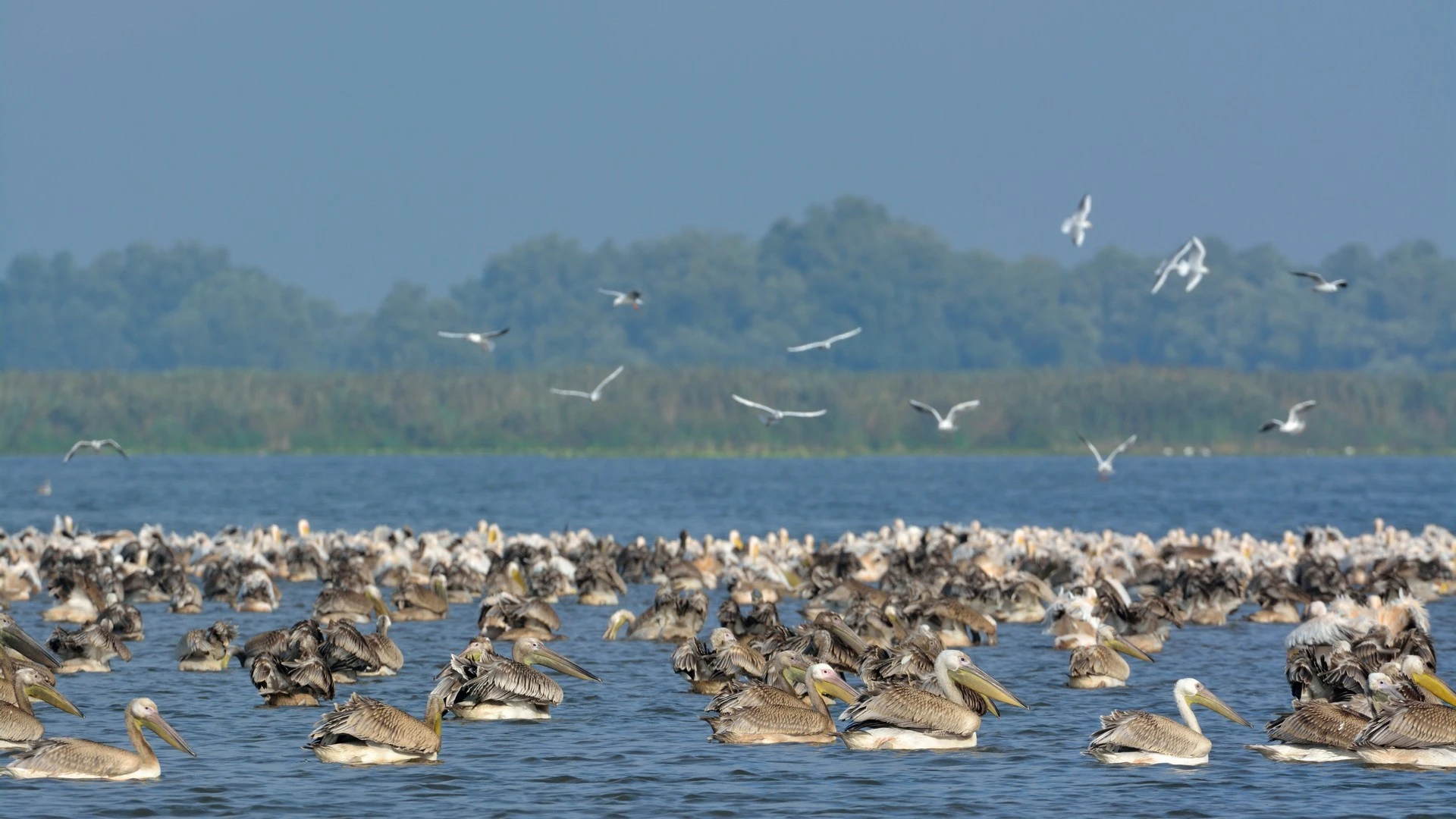
Many of the birds that nested here are getting ready to leave, and you see them gathered in large flocks before the journey south. Birds from the north are already arriving, such as Caspian and Sandwich terns. The young of the birds that nested late have grown big, and now is the time to see them.
Above all, autumn is the season of the young pelicans. In summer they grow up hidden in their colonies, where nobody may go; in autumn they come out on the lakes with their parents, learning to fish and training their wings for the long flight to Africa. And after the heat of August, the water lilies are still in bloom.
October
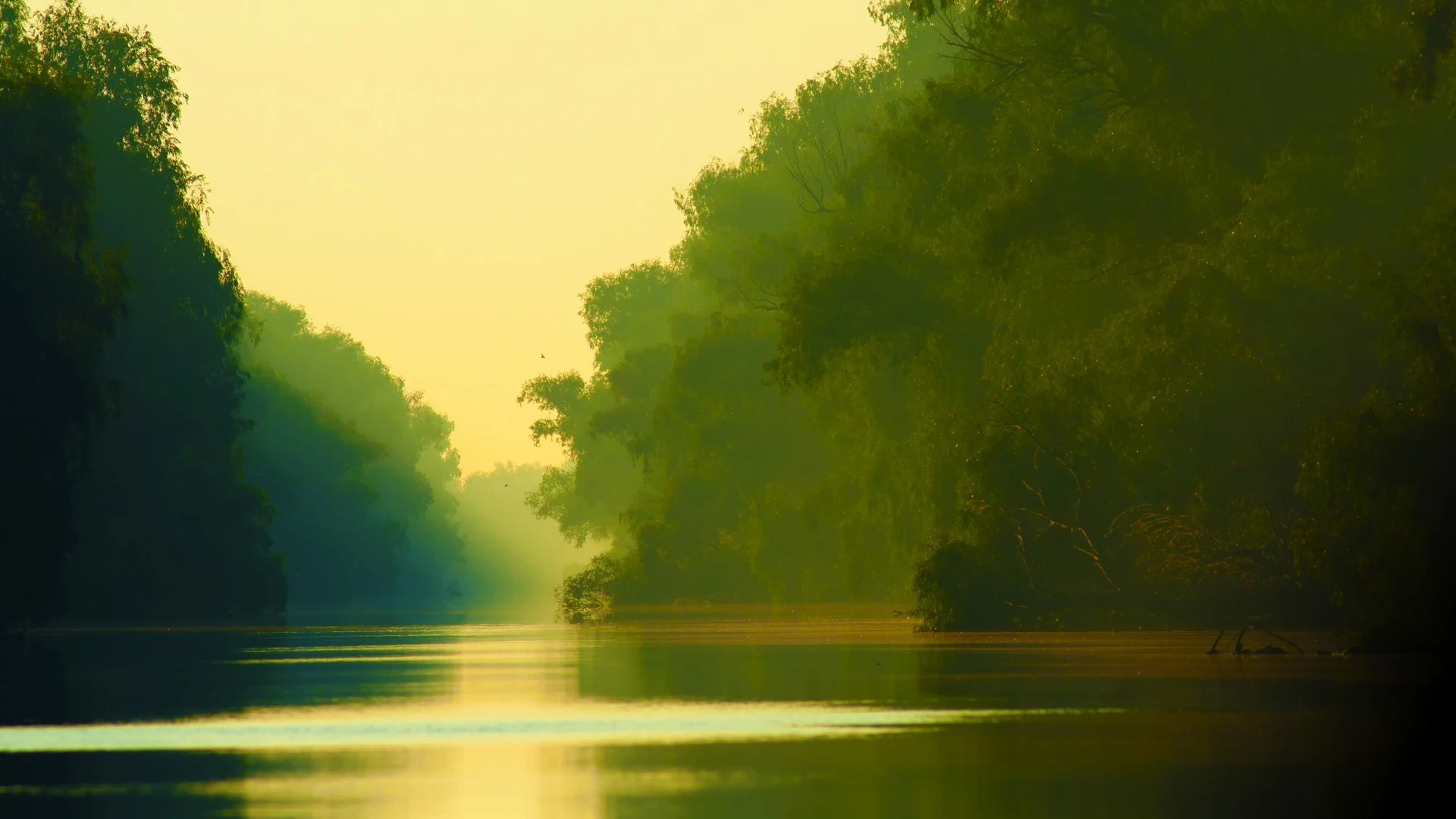
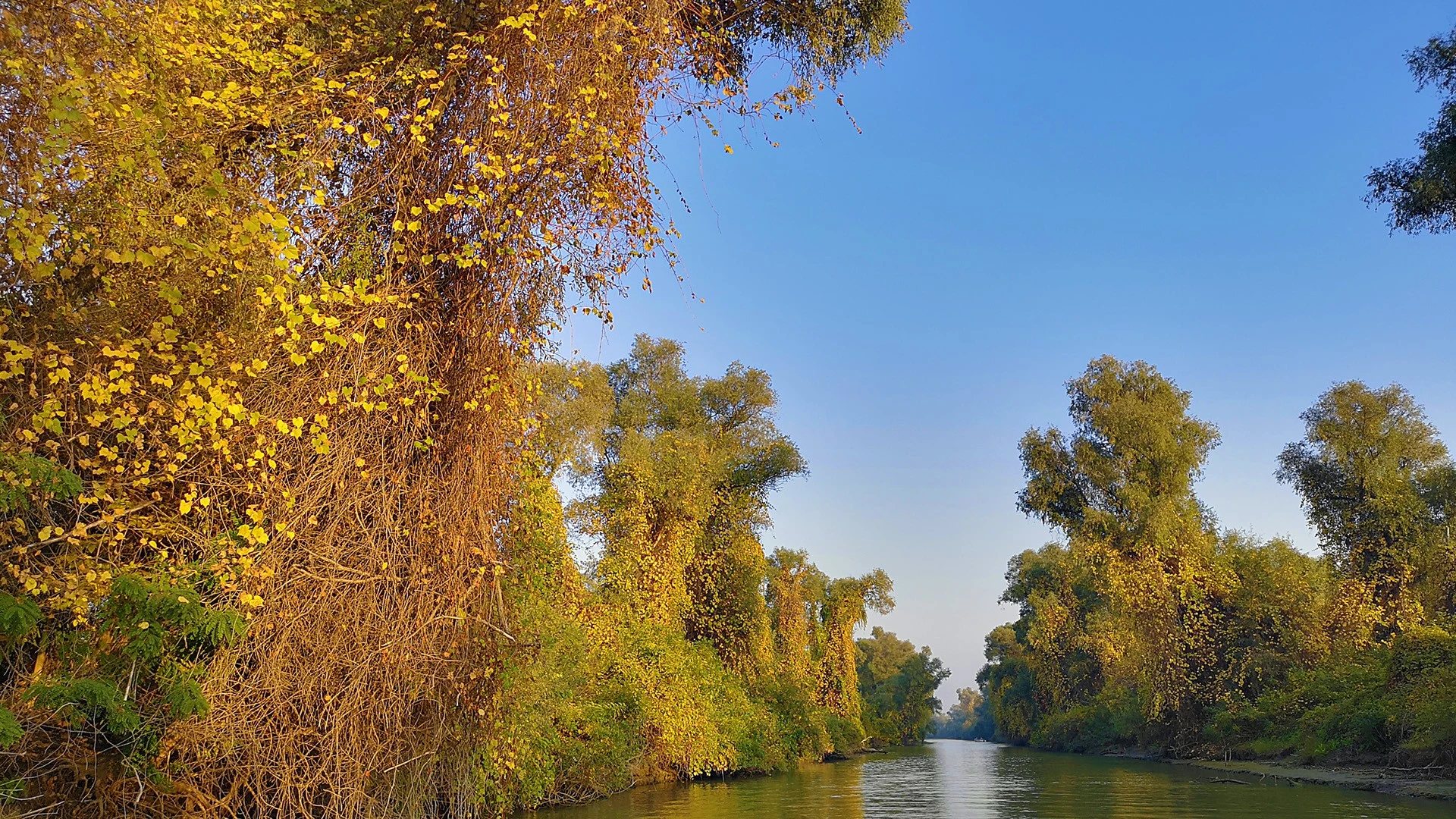
Large flocks of birds pass on migration. The sunrises are the most colourful of the year, and nothing compares to an autumn sunrise seen from the water. Mist rises from the lakes early in the morning, the cormorants fish without pause, and the last great white pelicans are still training their young for the flight to Africa. The reeds turn golden, the willows yellow, and the whole Danube Delta takes on colours that have nothing in common with an autumn forest.
November, the door to winter
Geese, geese and more geese. In November large flocks arrive from the north and cross the sky over the Danube Delta, together with the last pelicans, cormorants and ducks. The big birds of prey that spend the winter here arrive too, the white tailed eagles above all, species you never see in summer. Our boat season ends in October, and from December the Danube Delta belongs to the birders and photographers who come for winter. From October to April we also run land day trips in Dobrogea, such as the 3 Fortresses day trip and the continental Dobrogea birding day trip.
Why autumn
- The sun rises later, so the sunrise trip no longer means waking up in the middle of the night.
- The landscape is unlike any other season: mist in the morning, golden reeds, yellow willows and soft light all day.
- Fewer visitors, quiet water, and the Danube Delta feels like yours.
- The young birds of the year and the gathering flocks are a show you see only now.
- September still has warm, summer like days on the water.
Mornings and evenings on an open boat are cool in autumn, especially in October, so pack a warm layer, a windproof and waterproof jacket and a hat. The autumn departures of our tours are listed on each tour page; book your place in good time.
See it with us
Slow open boats, small groups and a guide who knows the places and the wildlife. From a few hours on the water to a week in the Danube Delta and Dobrogea.
Keep reading
Keep reading
More from the blog

4 min read
10 Must-Try Dishes in the Danube Delta
The Danube Delta is not just a paradise for birds and nature lovers – it’s also a dream destination for foodies who appreciate fresh,...

3 min read
Does the Low Water Level of the Danube Affect Trips in the Danube Delta?
Over the past few days, many travelers have contacted us after seeing news reports about the Danube’s unusually low water levels. Naturally, they wanted...
9 min read
How Mila 23 Was Born: a Greek Inn, Pirates and the Mile That Named a Village
A Greek innkeeper from Kefalonia, the pirates of Sulina, Lipovan fishermen and a river mile marker: how the village of Mila 23 began in...