

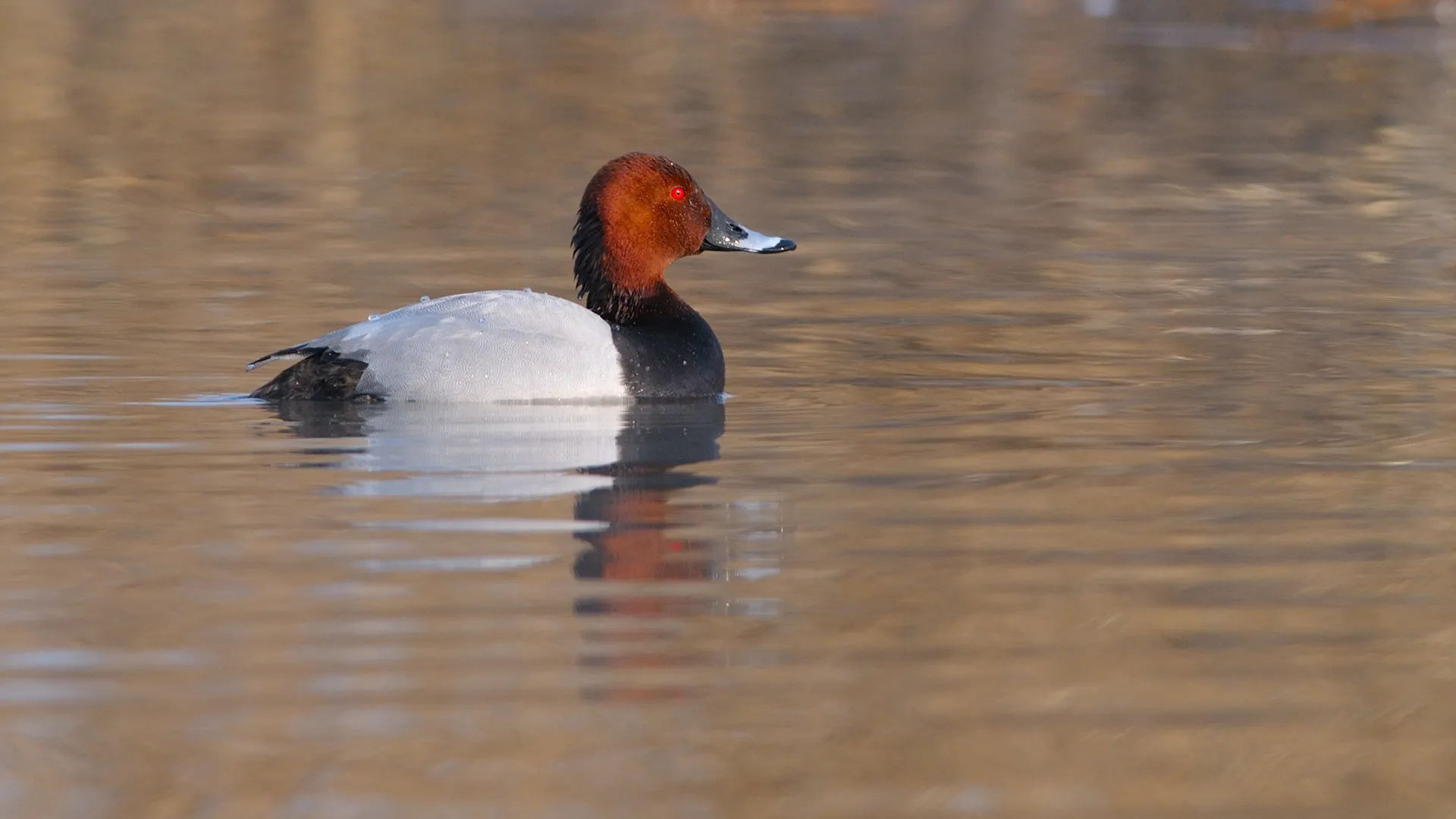
No. 30 on our checklistCommon Pochard (Aythya ferina)
Meet the Common Pochard, a red-headed diving duck now Vulnerable worldwide: identification, feeding, breeding in the Danube Delta, migration and status.
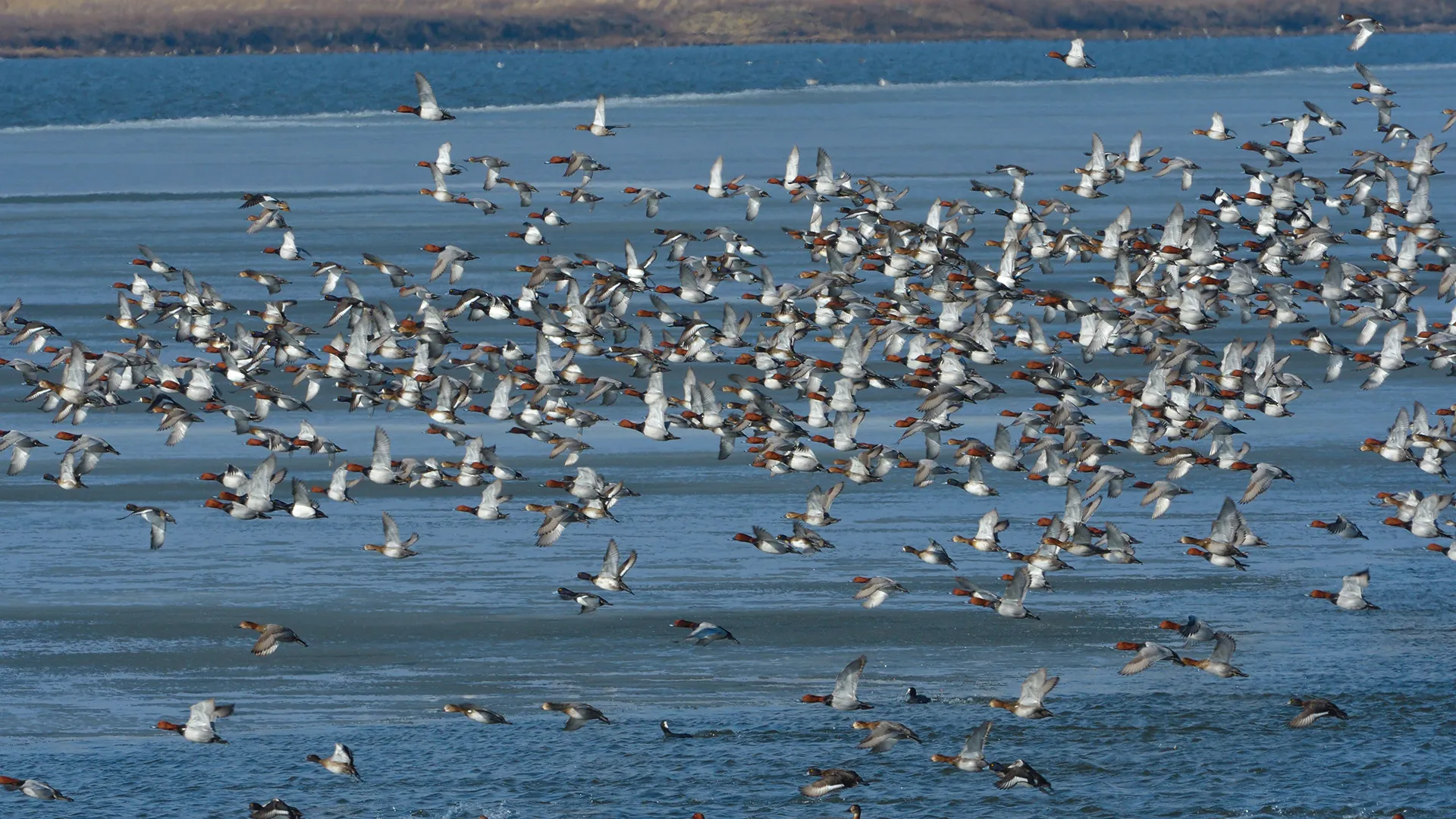
The Common Pochard (Aythya ferina) is the diving duck with a chestnut-red head, black breast and pale gray body. It breeds in the Danube Delta and is present all year, with the largest numbers on the lakes and lagoons during the spring and autumn migration.
Once one of the most common ducks in Europe, it has declined so much that it is now listed as Vulnerable worldwide.
Quick facts
Quick facts
- Scientific name Aythya ferina (Linnaeus, 1758); originally described as Anas ferina
- Common name Common Pochard; also Pochard
- Family Anatidae (ducks, geese and swans)
- Order Anseriformes (waterfowl)
- Length 44–48 cm
- Wingspan 77 cm
- Weight 930 g
- Diet omnivorous: seeds, roots and other parts of aquatic plants, insects and their larvae, snails, crustaceans and other small animals, taken mainly by diving
- Habitat lakes, marshes and fishponds with open water and dense fringing reeds; in winter also large lakes, lagoons and reservoirs
- Breeding one brood a year; usually 8–10 eggs, incubated by the female for about 25 days; the young fly at 50–55 days
- Conservation status Vulnerable (global IUCN Red List); a game species in Romania
When to see it in the Danube Delta and Dobrogea
- JanWintering flocks
- FebWintering flocks
- MarSpring passage begins
- AprPeak spring passage
- MayNesting
- JunFemales with ducklings
- JulMales gather to moult
- AugAutumn passage begins
- SepPeak autumn passage
- OctMigrants and wintering birds
- NovWintering flocks
- DecWintering flocks
- Status here
- Present all year: breeds in the Danube Delta; most numerous during spring and autumn migration.
- IUCN Red List
- Vulnerable
- Our checklist
- No. 30 of 385 · see the full checklist
How to recognize it
The drake is unmistakable in good light: a rich chestnut-red head, a red eye, a black breast and tail, and a body that looks pale silver-gray from a distance. The bill is dark with a broad pale gray band. The female is gray-brown, with a browner head and breast, a pale ring around the eye and a pale line behind it.
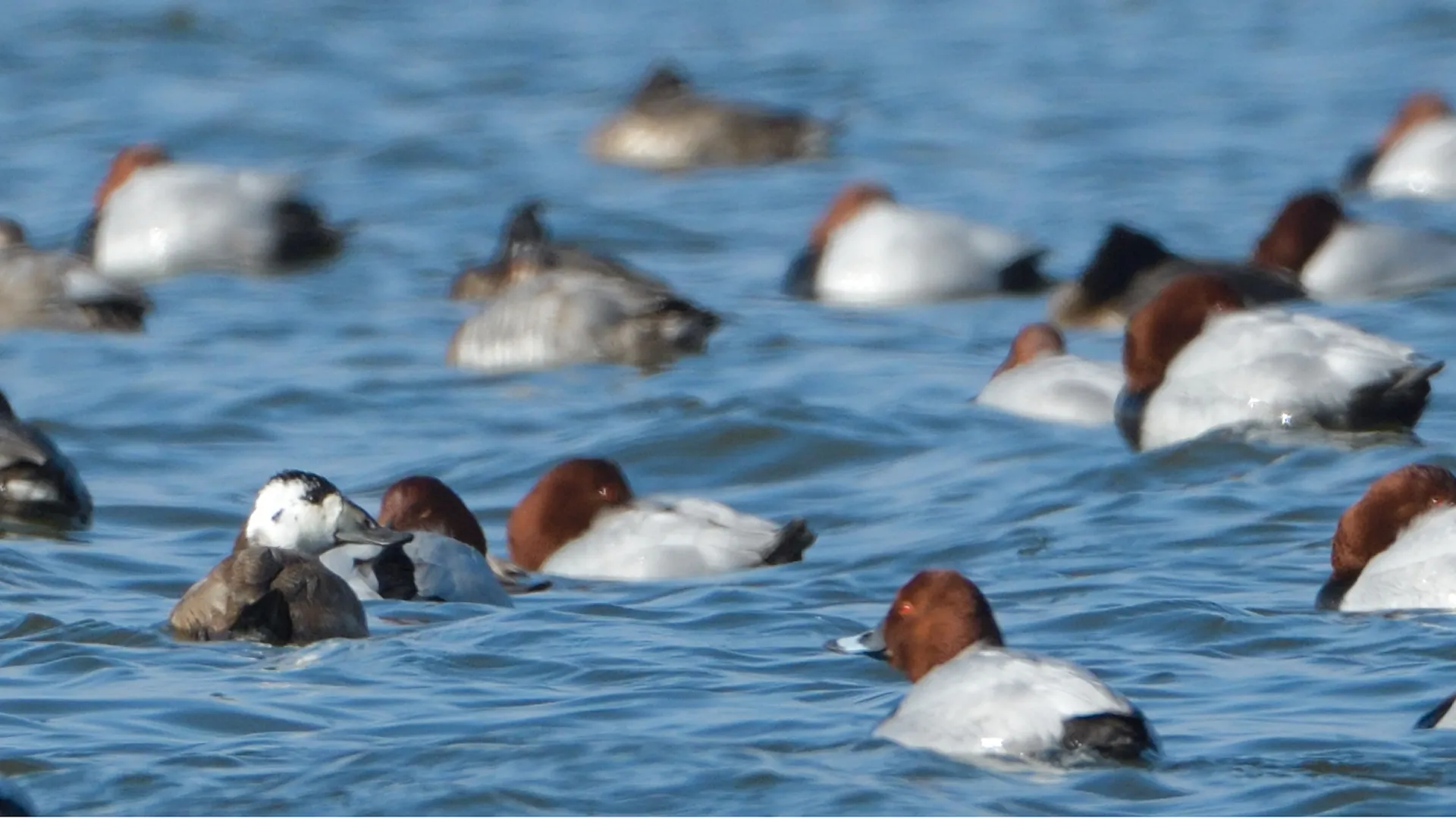
The Ferruginous Duck is smaller and darker overall, with a white eye in the drake and a white undertail. In flight the Common Pochard shows a gray wing bar, not the bright white one of the Ferruginous and Tufted Ducks.
A diving duck of open water
Pochards feed mostly by diving, from the surface to the bottom of shallow lakes, where they take seeds, roots and other parts of underwater plants together with insect larvae, snails and small crustaceans. They need clear water with plenty of submerged vegetation. When the water becomes too rich in nutrients and turns green and murky, underwater plants disappear, and so do the pochards.
During the day they often rest in tight rafts on open water, heads tucked in, and become more active towards evening.
Breeding in the Danube Delta
The breeding grounds are reoccupied from early March in the south, and nesting starts in April and May. The nest is a shallow cup in a thick heap of vegetation, on the ground or in shallow water among the reeds. The female incubates alone and cares for the ducklings, while the males leave early and gather in separate flocks to moult.
Romania reported 3,000–12,400 breeding pairs for 2013–2015, most of them in the Danube Delta and on fishponds. The trend of the breeding population is not well known.
Migration and winter
Northern and eastern populations are strongly migratory. Many birds pass through the Danube Delta in spring and autumn, and others winter on the Black Sea coast, the lagoons and the large lakes of Romania. Romania reported 14,500–35,800 wintering birds for 2013–2018, with a decreasing trend. During the January 2026 waterbird count, 28,962 Common Pochards were recorded in Romania, compared with 26,476 in January 2025.
Interesting facts
- A duck with too many males. In winter, Common Pochard flocks contain far more drakes than females. A survey across Europe and North Africa in January 2016 found about 71% males, up from 62% in 1989–1990. In Romania, about 75% of the birds checked in 1989–1990 and 67% in 2016 were males.
- Females travel farther. The imbalance is not the same everywhere. A higher proportion of females winters in the south of the range, while the drakes stay farther north, closer to the breeding grounds.
- From common to Vulnerable. In 2015 the species was moved from Least Concern to Vulnerable on the IUCN Red List. Across the Western Palearctic, its numbers fell by about a third between 1988 and 2012.
- Long-lived for a duck. The longevity record for a ringed Common Pochard in Britain is 22 years, even though the typical life expectancy of an adult is only about three years.
Status and conservation
The Common Pochard is listed as Vulnerable on the global IUCN Red List and has also been assessed as Vulnerable in Europe. The decline is thought to be caused mainly by the loss of breeding habitat in eastern Europe and by changes in water quality, especially eutrophication from agricultural runoff. Both the abandonment and the intensification of fishponds and lowland marshes reduce the habitat available to the species.
In Romania the Common Pochard is still a game species, hunted from 15 August to 15 February under the hunting law. Because Ferruginous Ducks often feed and rest among other diving ducks, hunting pochards can also put the strictly protected Ferruginous Duck at risk.
See it on our tours
On our multi-day nature tours in the Danube Delta, we visit the open lakes where Common Pochards rest and dive among the underwater plants. In April and September, when migration is at its peak, the rafts of pochards on the large lakes are part of a much bigger waterbird spectacle.
See it with us
Our birding guides are biologists and ornithologists who are on the water every day of the year. Small groups, open boats, the best hours of the day.
Keep reading
Keep reading
More from the blog
5 min read
Black-headed Gull (Chroicocephalus ridibundus)
Brown hood in summer, white head in winter: the Black-headed Gull in the Danube Delta and Dobrogea, its colonies, behaviour and old name Larus...
2 min read
Eurasian Oystercatcher (Haematopus ostralegus)
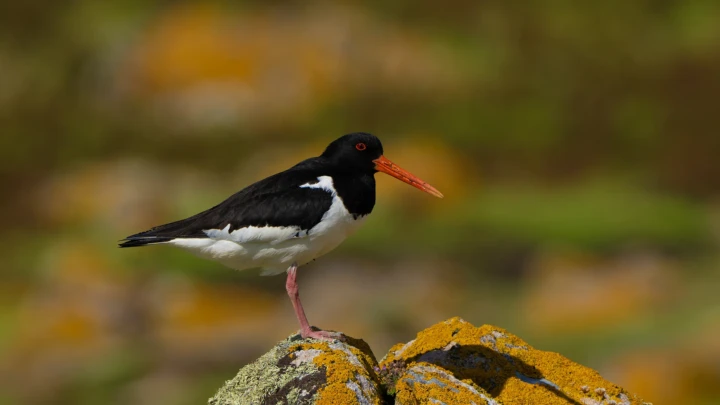
A bold black-and-white shorebird with an orange bill. Eurasian Oystercatcher is more regular on passage than as a breeding bird in the Danube Delta.
4 min read
Common Buzzard (Buteo buteo)
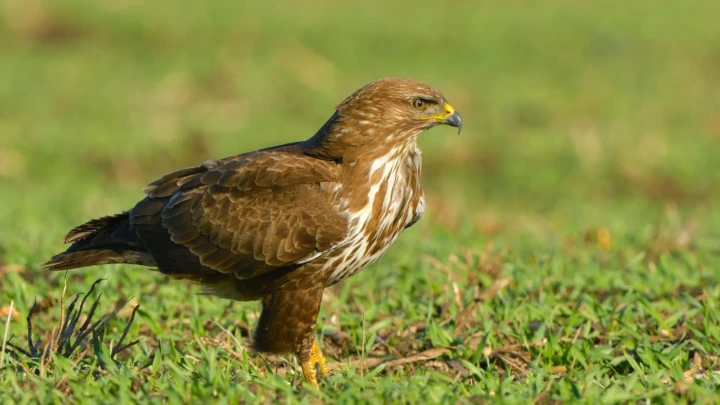
The raptor on every roadside pole in winter: the Common Buzzard and its eastern form, the Steppe Buzzard, in the Danube Delta and Dobrogea,...