

No. 7 on our checklistEuropean Green Toad (Bufotes viridis)
The green-spotted toad of Dobrogea's dry steppe, singing its trilling chorus in warm spring evenings. Discover the European green toad and where to find it.
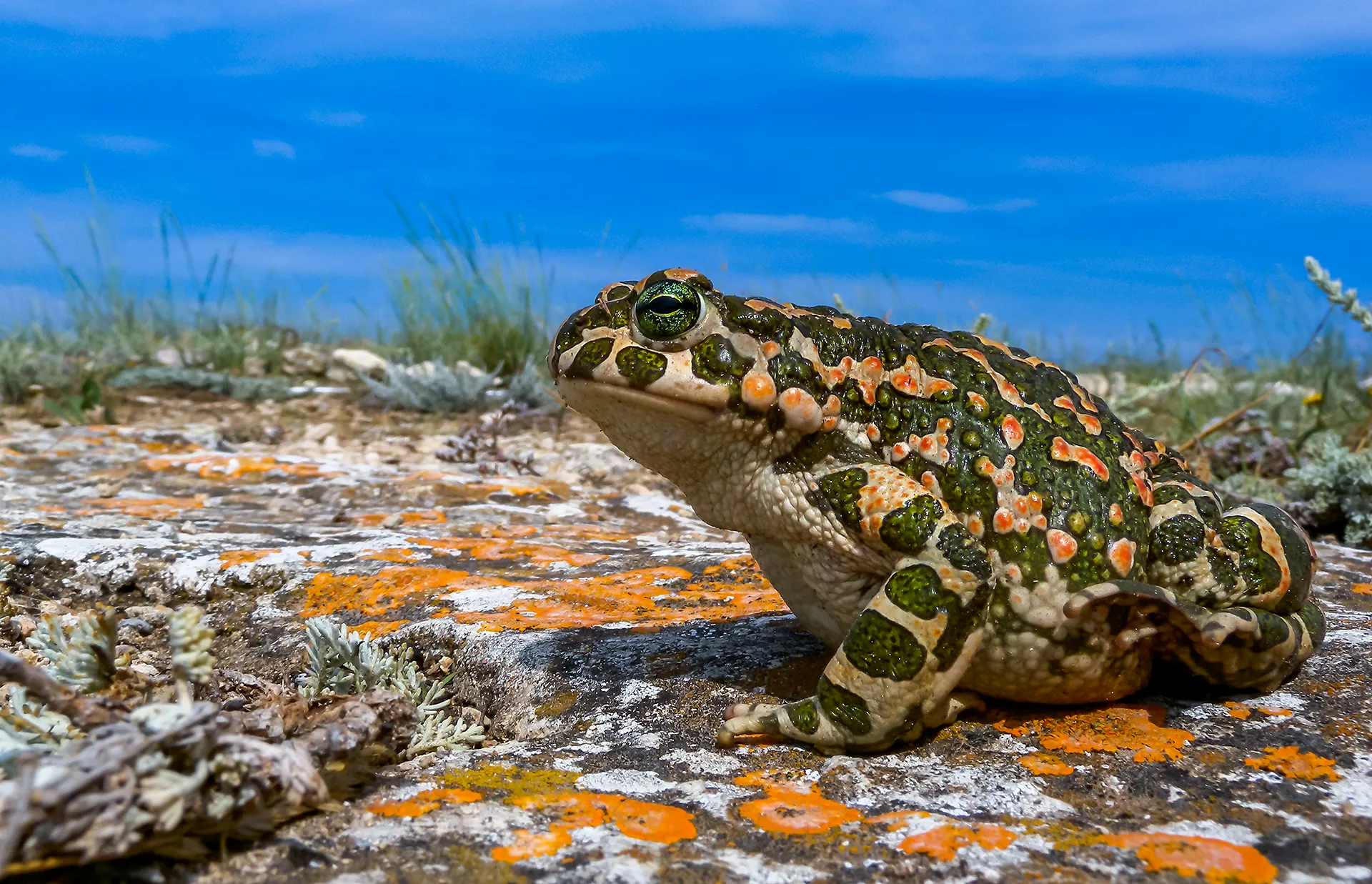
The European Green Toad (Bufotes viridis) is the most beautiful toad of our region: a pale, warty animal decorated with large irregular green spots, active on the dry steppe of Dobrogea on warm evenings. Older field guides know it as Bufo viridis, the name it carried for two centuries, and the one under which many people still search for it.
While the fire-bellied toad and the marsh frog belong to the wetlands of the Danube Delta, the green toad is the amphibian of dry ground: sandy steppe, grassland, fallow land and the edges of villages. It is one of the species our guests meet not on the water, but on the hills that surround the wetlands.
Quick facts
Quick facts
- Scientific name Bufotes viridis (Laurenti, 1768), formerly Bufo viridis
- Common name European Green Toad
- Family Bufonidae (true toads)
- Order Anura (frogs and toads)
- Length usually 6 to 10 cm, females larger than males
- Diet insects and other invertebrates
- Habitat dry steppe, sandy and fallow ground; breeds in shallow, warm ponds
- Activity mainly at dusk and at night
- Breeding April to June, sometimes into July
- Conservation status Least Concern (IUCN); strictly protected under Annex IV of the EU Habitats Directive and Appendix II of the Bern Convention
When to see it in the Danube Delta and Dobrogea
- JanVery rare
- FebVery rare
- MarRare
- AprAbundant
- MayAbundant
- JunAbundant
- JulModerate
- AugModerate
- SepModerate
- OctRare
- NovVery rare
- DecVery rare
- Status here
- Active from March to October; hibernates in winter.
- IUCN Red List
- Least Concern
- Our checklist
- No. 7 of 30 · see the full checklist
Description and identification
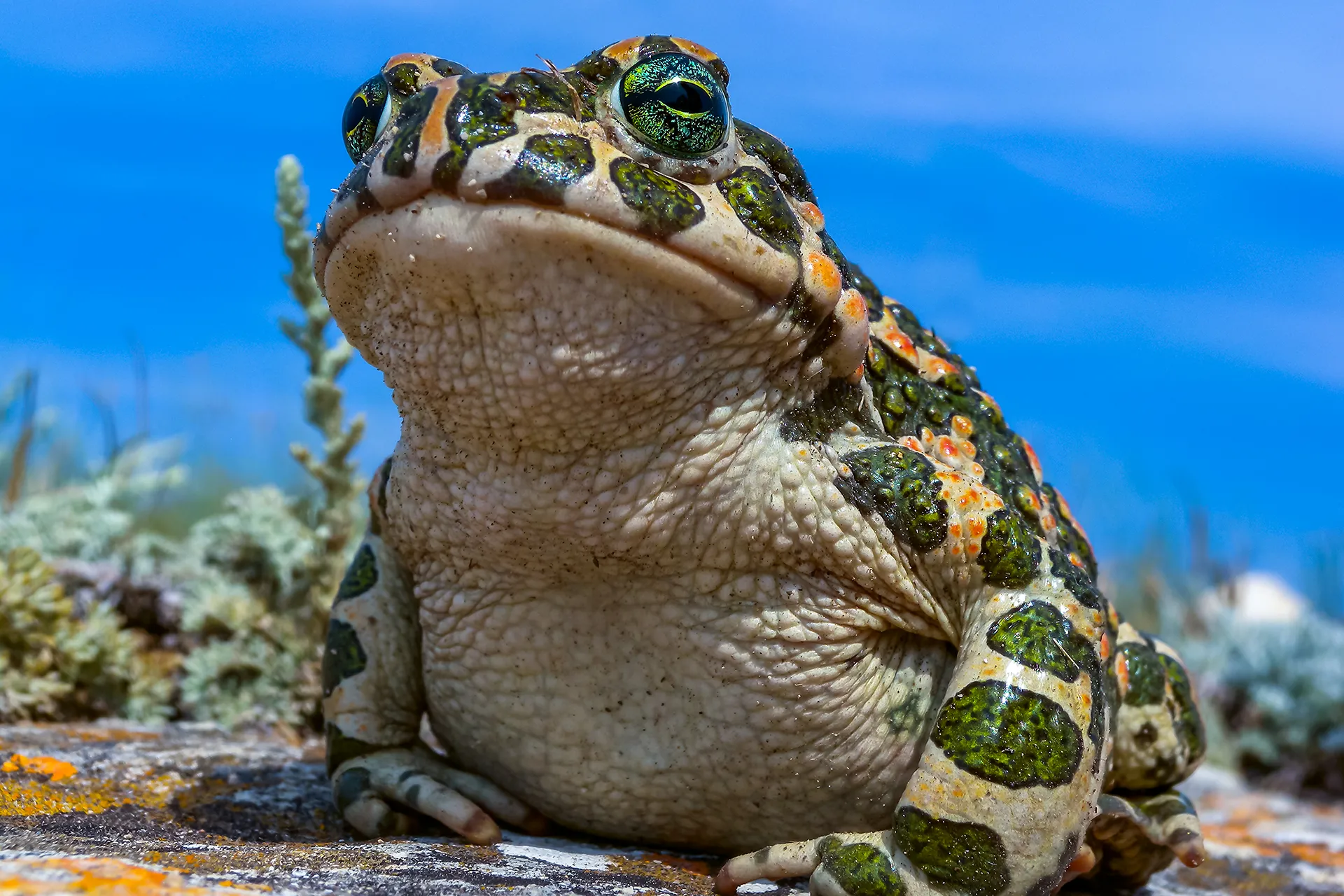
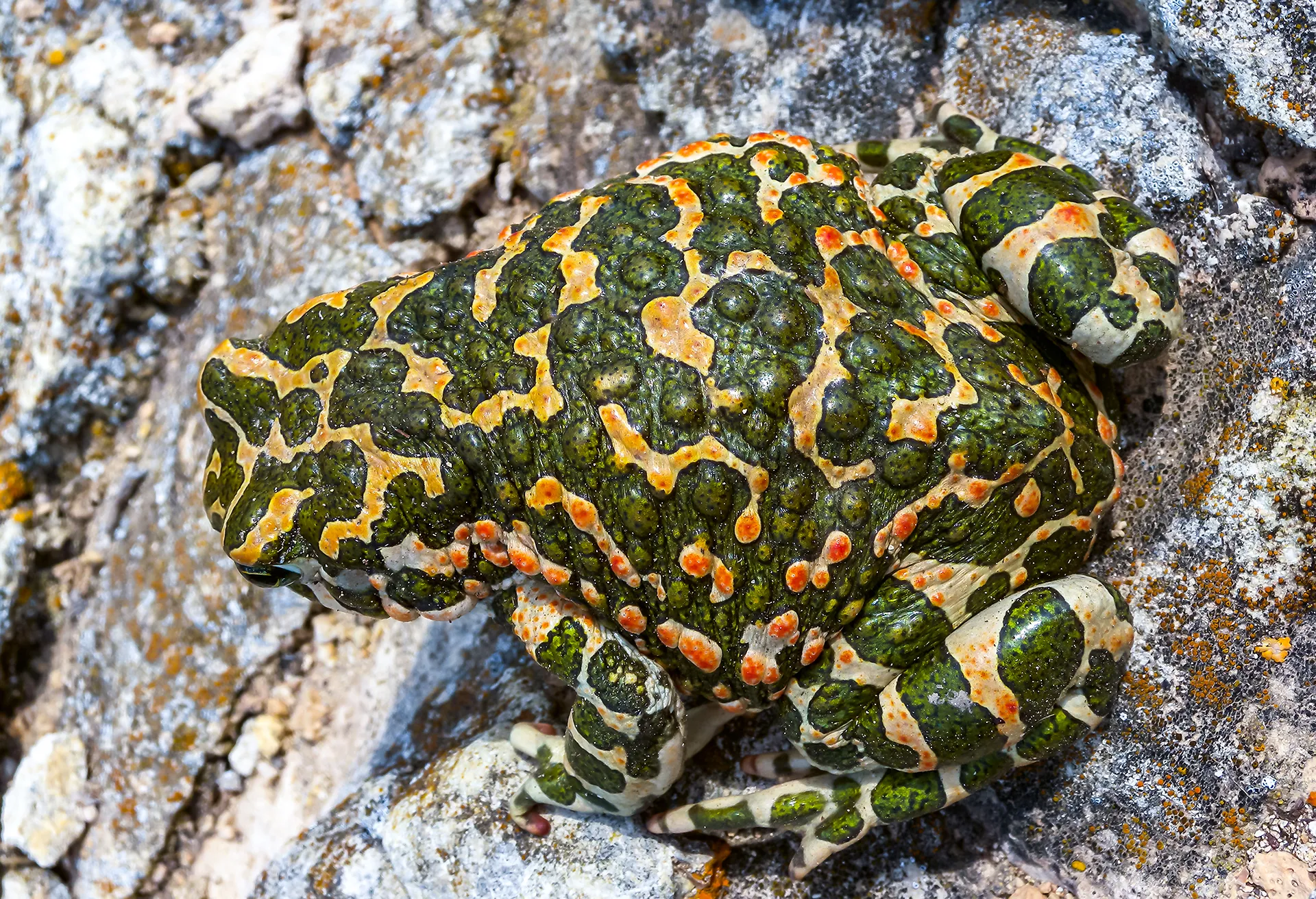
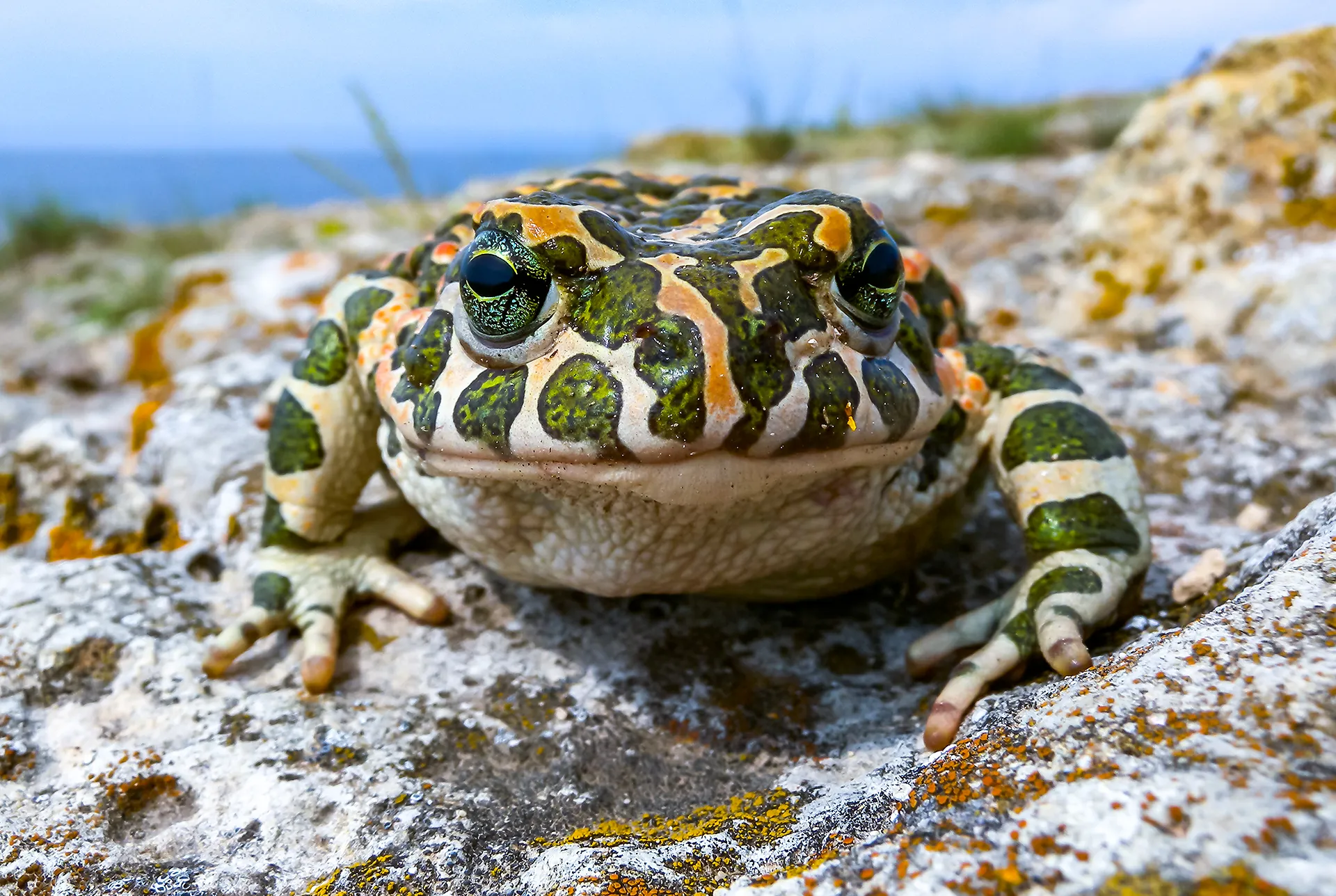
The green toad is a medium sized, robust toad. Females reach 10 cm, males are smaller, usually 6 to 8 cm. The skin is warty, and the back is pale grey, beige or whitish, covered with large, irregular green marks that give the species its name; the belly is whitish with dark speckles. The colours are not fixed: a green toad can slowly shift between light and dark tones, matching the ground it sits on, and the spots can be olive, green or dark green depending on the individual.
Males are duller and less contrasted than females, and in the breeding season they develop dark nuptial pads on their inner fingers and a soft, melodic trilling call, one of the most pleasant amphibian voices of the region. The tadpoles are small and dark, usually found in the shallowest, warmest water.
A toad of dry places
The green toad is a steppe animal at heart: it lives on dry, sandy and stony ground with sparse vegetation, where it spends the day buried in loose soil or hidden under stones, and comes out at dusk to hunt. It is a capable digger, warm loving, and remarkably tolerant of dryness and even of brackish water; in Sweden and Turkey it breeds successfully in coastal salt marshes.
In our region it is characteristic of Dobrogea: the steppe around the Măcin Mountains, the sandy plateaus of the coast, fallow ground and village edges. It readily colonises man-made ground — gardens, gravel pits, even the suburbs of large cities — as long as warm, shallow breeding ponds are within reach. In the Danube Delta itself it is less common, appearing on dry levees and sandy clearings; its true kingdom begins where the wetlands end.
Diet
Green toads hunt at night, mainly by sight, taking insects and other invertebrates of suitable size: beetles, ants, moths, caterpillars, spiders and, after rain, the earthworms and isopods that come to the surface. Prey is caught with a flick of the sticky tongue. Adults are faithful to their home ground, usually moving less than a kilometre in a season, and return year after year to the same breeding pond.
Breeding
In April, when the spring rains fill the shallow ponds of the steppe, the males gather at the water and call in chorus, each trilling for many seconds. Breeding peaks in May and can extend into July, one of the longest breeding seasons of any European amphibian. Females arrive about a week after the first males and are quickly grasped in amplexus.
The eggs are laid not in clumps but in long, double gelatinous strings, two to seven metres long, wound around submerged plants or left on the bottom of the pond. A single female can lay several thousand to more than ten thousand eggs. In the warm, shallow, often temporary ponds of the steppe, development is a race: the eggs hatch within a week or two, and the tadpoles transform into tiny toadlets, barely 12 to 18 mm long, sometimes within two months, before their pond dries out in the summer. In good years, hundreds of toadlets leave the water together in a single evening.
Conservation and threats
The green toad is listed as Least Concern by the IUCN, with a huge range from France across central Europe and the Balkans to central Asia. It is nevertheless strictly protected at European level, in Appendix II of the Bern Convention and Annex IV of the EU Habitats Directive, and it has declined strongly in the agricultural landscapes of western Europe.
The main threats are the loss of small, sunlit ponds — drained, filled in or overgrown — and the intensification of farming on the steppe. Road traffic kills toads moving between feeding ground and breeding pond. In Dobrogea the species remains common and widespread, one of the beneficiaries of the region’s mosaic of fallow ground, pastures and small wetlands.
Where and when to see the European Green Toad in Dobrogea
Look for it on the dry ground around the wetlands: the steppe of the Măcin Mountains and the Beș tepe Hills, the sandy plateaus of the Dobrogea coast, and the edges of villages, where it often hunts near street lights after rain. The best time is a warm evening in May or June, after a spring shower, when the males’ trilling chorus rises from every temporary pond; by day, turn a stone on sandy steppe ground and you may find a toad buried just beneath it.
On photo tours that combine the Danube Delta with the Dobrogea steppe, the green toad is a favourite evening subject: it sits still under a torch beam, its green spots glowing, long enough for a careful photographer to work.
See it with us
Slow open boats, small groups and a guide who knows the places and the wildlife. From a few hours on the water to a week in the Danube Delta and Dobrogea.
Keep reading
Keep reading
More from the blog
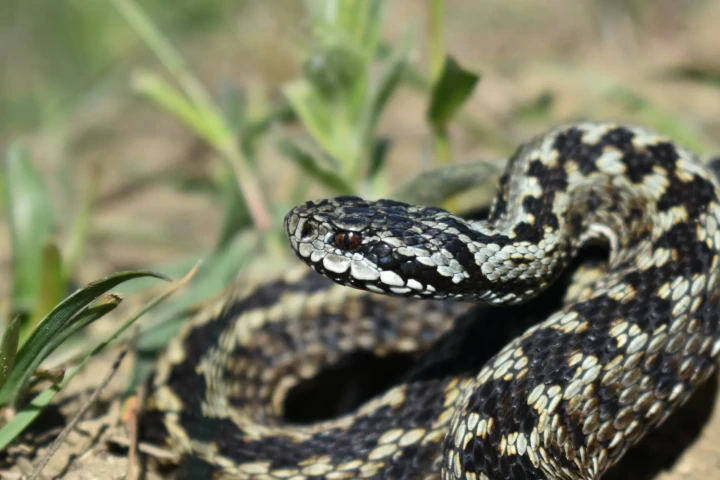
5 min read
Meadow Viper (Vipera ursinii) in the Danube Delta
Meet the Meadow Viper, a small, threatened viper that survives on a few sandy levees of the Danube Delta: identification, where it lives, names,...
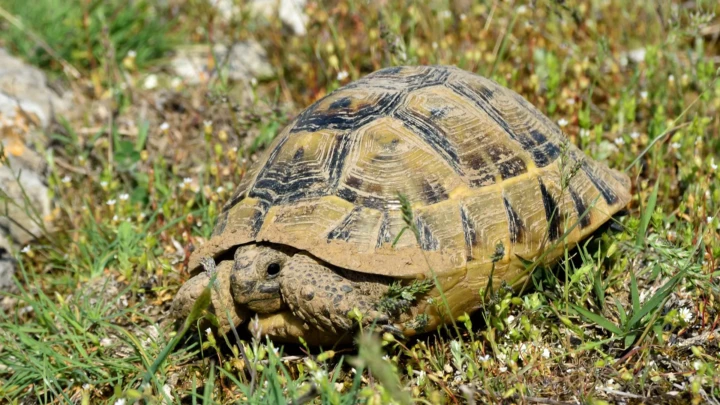
4 min read
Spur-thighed Tortoise (Testudo graeca)
The Spur-thighed Tortoise is the only native land tortoise of eastern Romania, living in the dry grasslands, hills and scrublands of Dobrogea. Discover how...
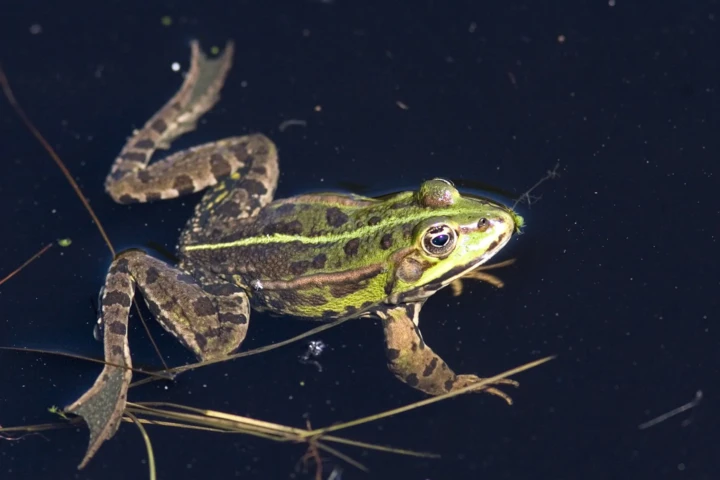
5 min read
Edible Frog (Pelophylax kl. esculentus)
Meet the Edible Frog, a hybrid of the Marsh Frog and the Pool Frog that lives in the lakes of the Danube Delta and...