

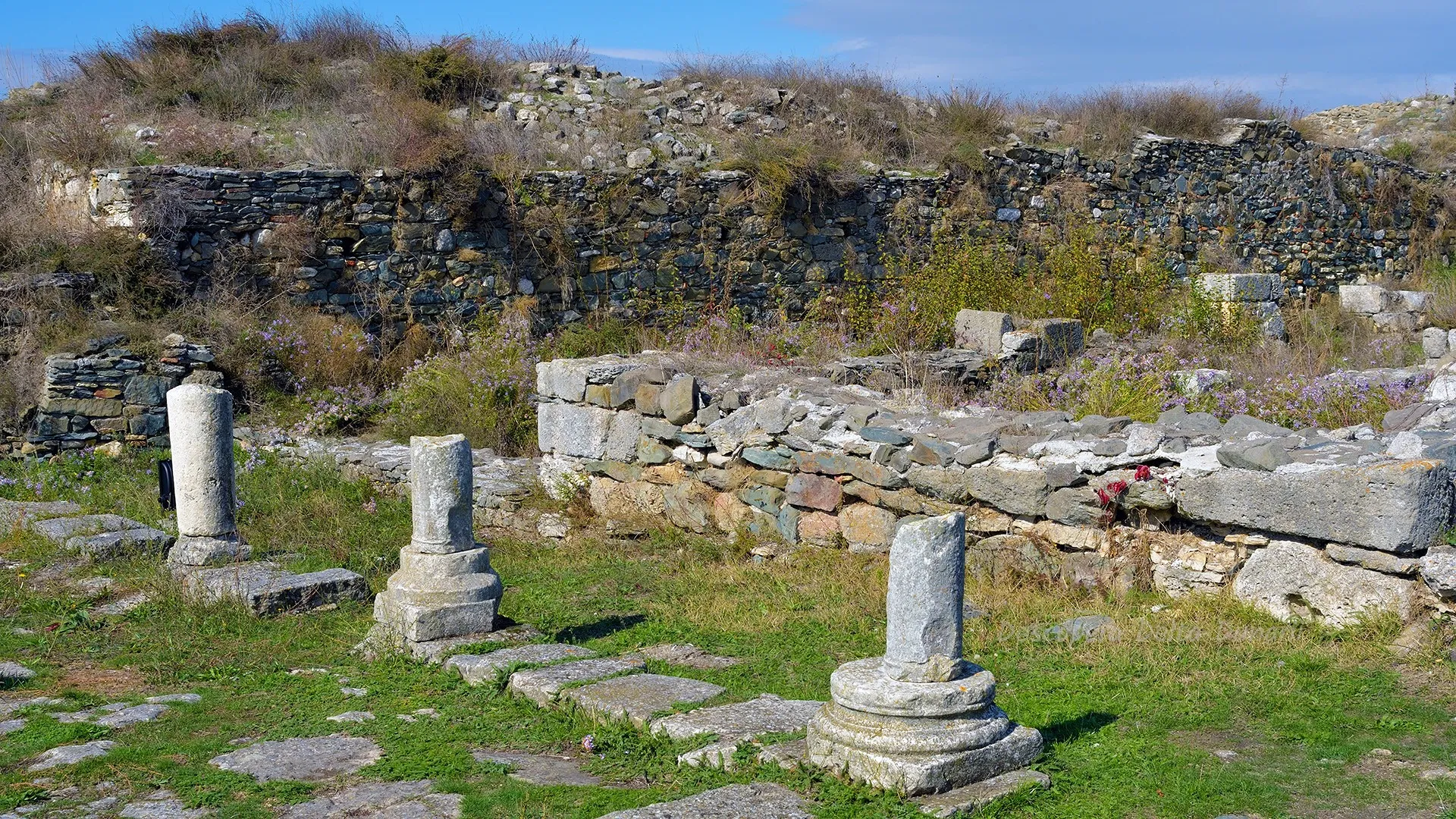
Histria, the Greek City on the Shore of Lake Sinoe
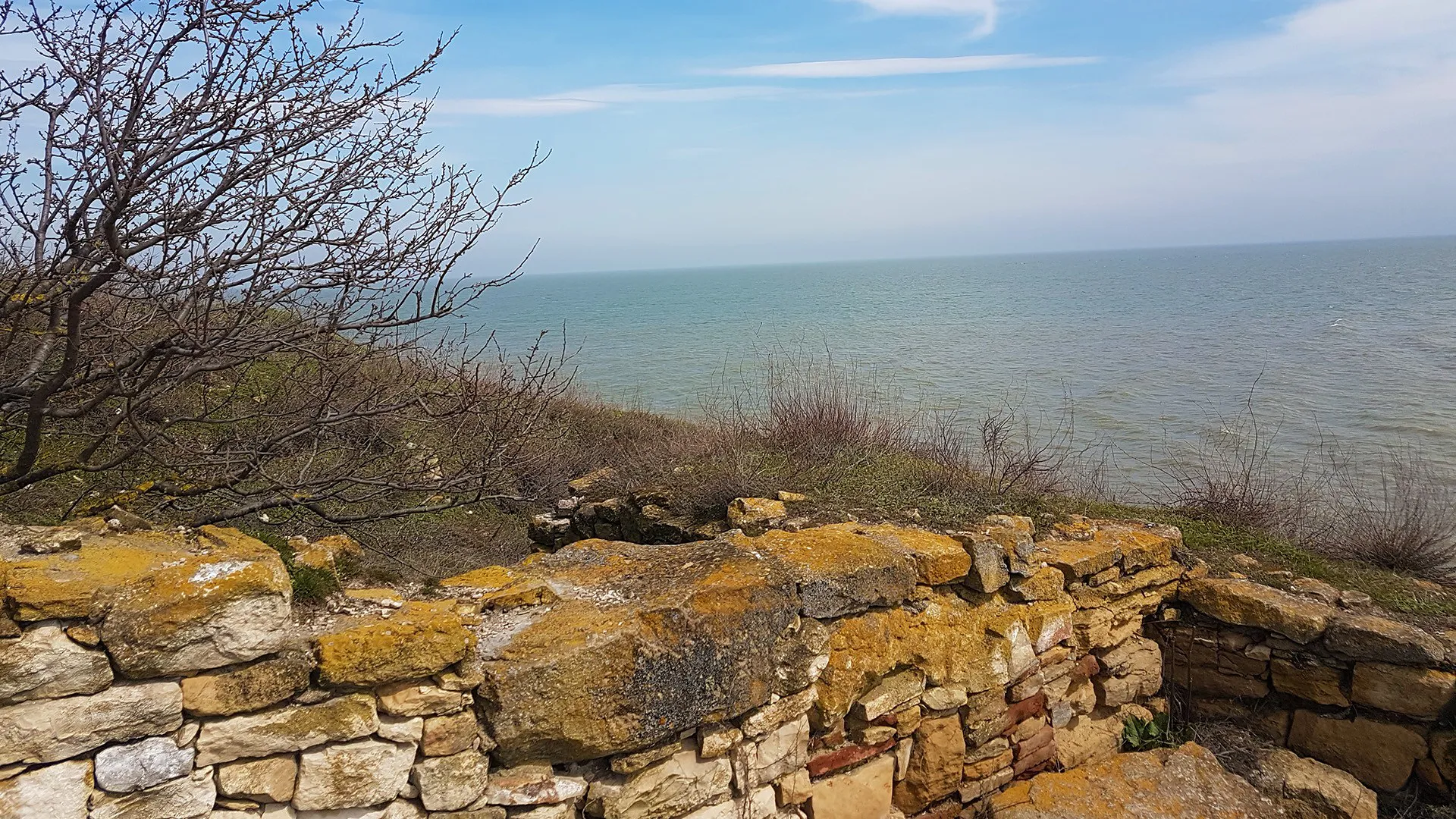
Founded by settlers from Miletus in the 7th century BC, Histria lived for thirteen centuries on the shore of a Black Sea gulf that became Lake Sinoe.
Histria was founded in the second half of the 7th century BC by settlers from Miletus, the great Greek city of Asia Minor. Ancient tradition places its founding around 657 BC, when Greek merchants settled on the shore of a Black Sea gulf to trade with the Getae of Dobrogea. The locals offered grain, fish, honey and resin; the merchants brought spices, wine, olive oil and jewellery.
Quick facts
- Where On the shore of Lake Sinoe, Constanta County
- Founded Around 657 BC, by settlers from Miletus
- Lived About 1,300 years, until the 7th century AD
- To see The ruins of the city and the site museum
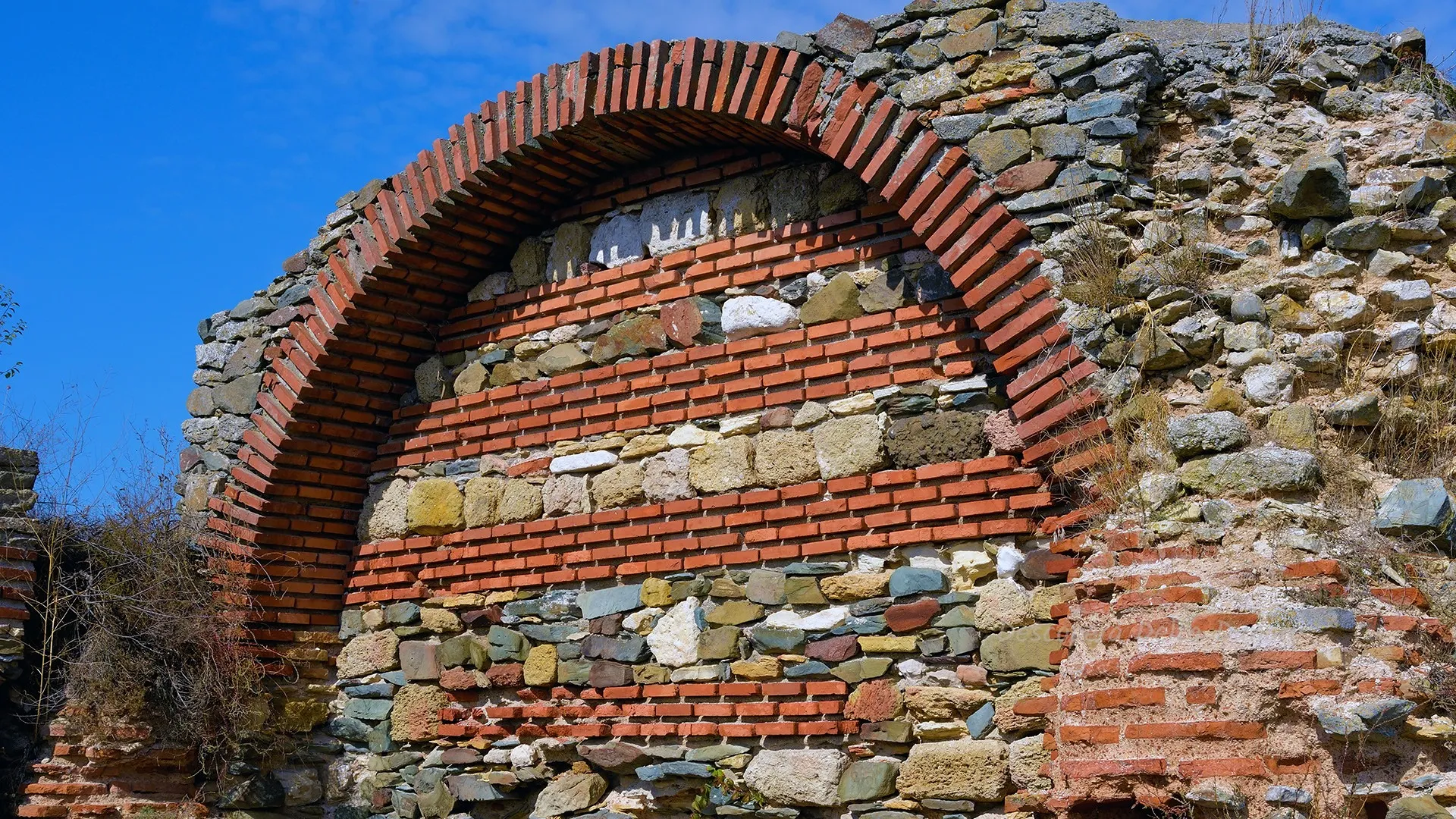
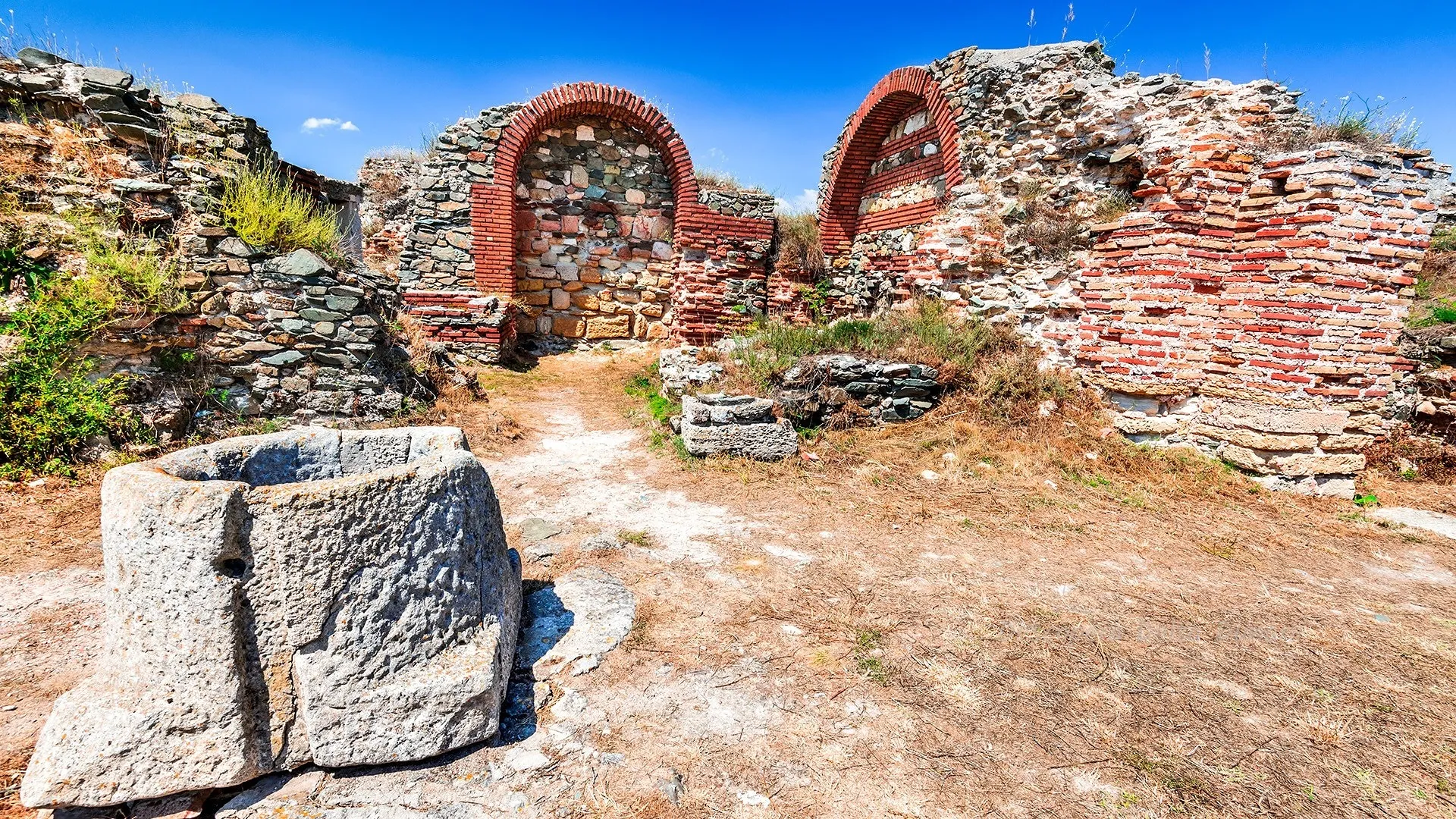
For a long time Histria was believed to be the oldest town in Romania. Research at Argamum, on Lake Razim, has since shown that the Greeks settled there about a generation earlier. Histria remains the largest and best known of the Greek cities of Dobrogea, and its ruins still give an idea of a city that once impressed by its size and its monuments.
Thirteen centuries of history
Histria lived for about 1,300 years, from the 7th century BC to the 7th century AD. Its position, close both to the sea and to the land, on the shore of a sheltered gulf, made it a link between the Mediterranean world and the Getae and Dacians of Dobrogea and of the lands beyond.
The city grew fast. Within two centuries of its founding it covered several dozen hectares. In the east stood the temples, built of limestone and richly decorated; in the west were the houses and the workshops, inside a strong wall of stone and brick. To the west and north lay the cemeteries, among them a field of burial mounds unique in Dobrogea.
Over the centuries the city was rebuilt several times. In the 1st century BC Histria became part of the Dacian state of Burebista, and later it passed under Roman rule. The Romans gave it a new wall, inside which grew two public baths, public buildings, temples, living and working quarters, a market and the harbour with its lighthouse. In the middle of the 3rd century the Goths left the city badly damaged, but it was rebuilt behind a new defensive wall and life went on.
The 6th and 7th centuries decided its fate. Histria survived the Avar and Slav raids, but not the sea itself: the gulf silted up and became Lake Sinoe, cut off from the sea, and a harbour city without a harbour was slowly abandoned.
Rediscovery
Histria came back to light in 1914, with the excavations led by the historian and archaeologist Vasile Parvan. The finds are shown in the site museum, among them a perfume flask shaped like a siren, silver coins struck by the city, Greek painted pottery, objects of metal and inscriptions.
Visiting Histria
Histria lies on the shore of Lake Sinoe, south of the Danube Delta. It is one of the three sites on our 3 Fortresses day trip from Tulcea, together with Argamum and the medieval fortress of Enisala.
Original text in Romanian by Mihaela Alexandra Preda.
See it with us
Slow open boats, small groups and a guide who knows the places and the wildlife. From a few hours on the water to a week in the Danube Delta and Dobrogea.
Keep reading
Keep reading
More from the blog
2 min read
Capidava, the Roman Fortress at the Bend of the Danube
A Roman fort on a rocky bluff above the Danube, between Harsova and Cernavoda: walls, towers and a wide view over the river.

3 min read
Macin Mountains National Park, the Old Mountains of Dobrogea
Among the oldest mountains in Romania, worn down to rocky ridges above the steppe: rare plants, birds of prey and quiet trails, close to...

5 min read
Tulcea City Break: Museums, History and the Aquarium
A day in Tulcea, the gateway to the Danube Delta: the Monument Hill, the museums of history, folk art and fine art, and the...