

What Does Old Rite Orthodox Mean? The Old Believers of the Danube Delta
What separates the Old Rite Orthodox from the new rite: the reform of 1654, the two finger cross, the old calendar, and what you will notice in a Lipovan church in the Danube Delta.
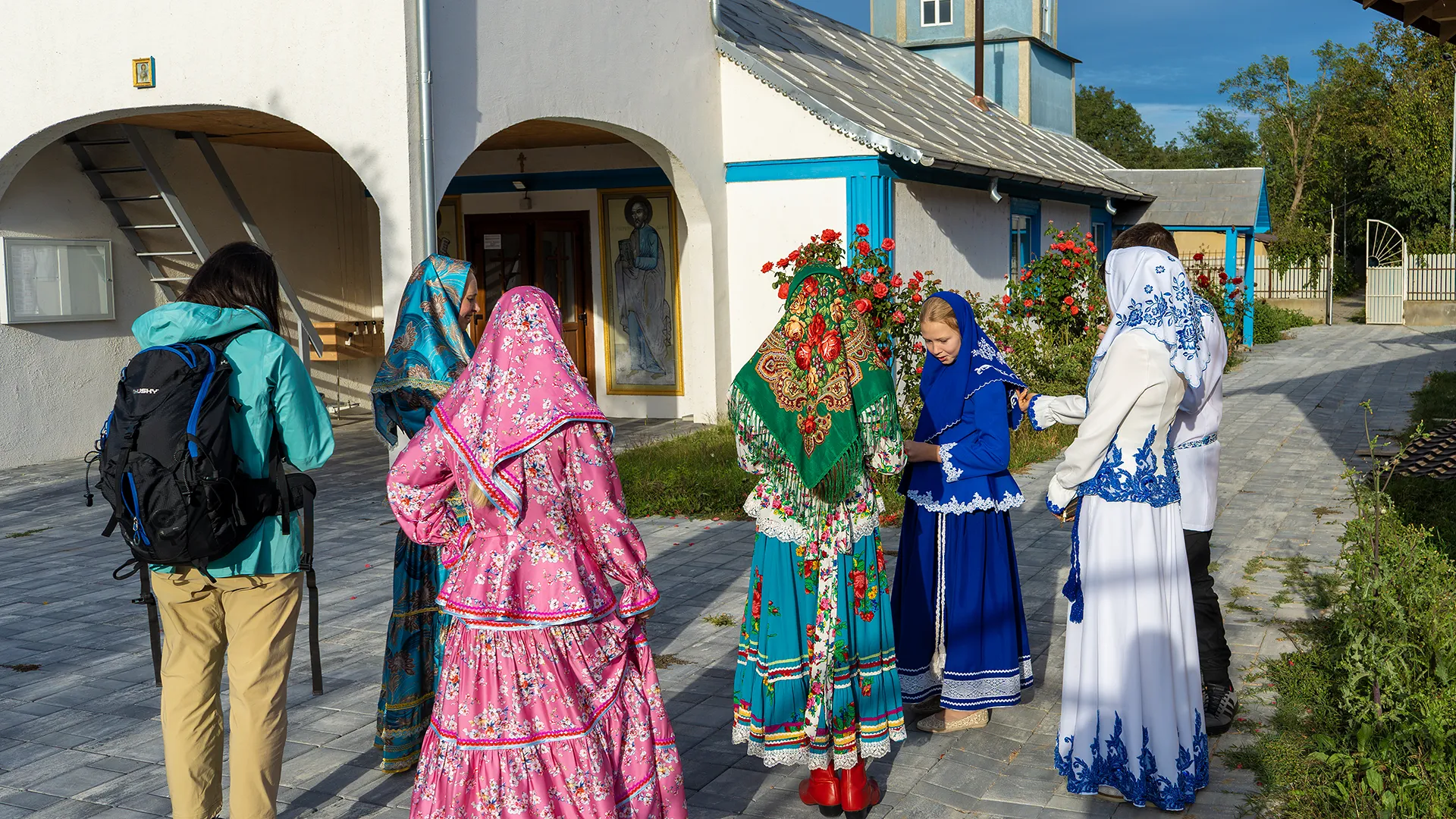
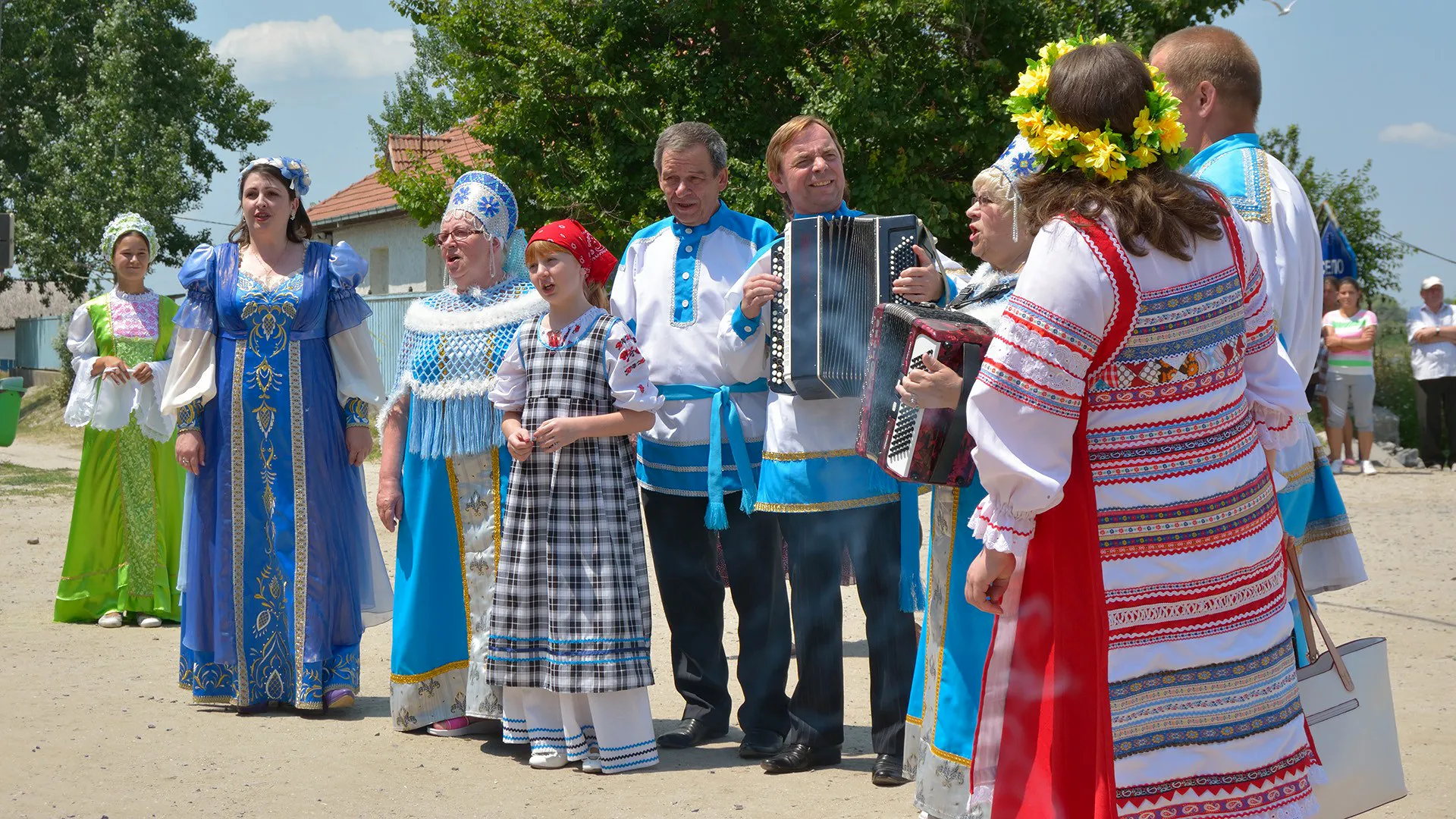
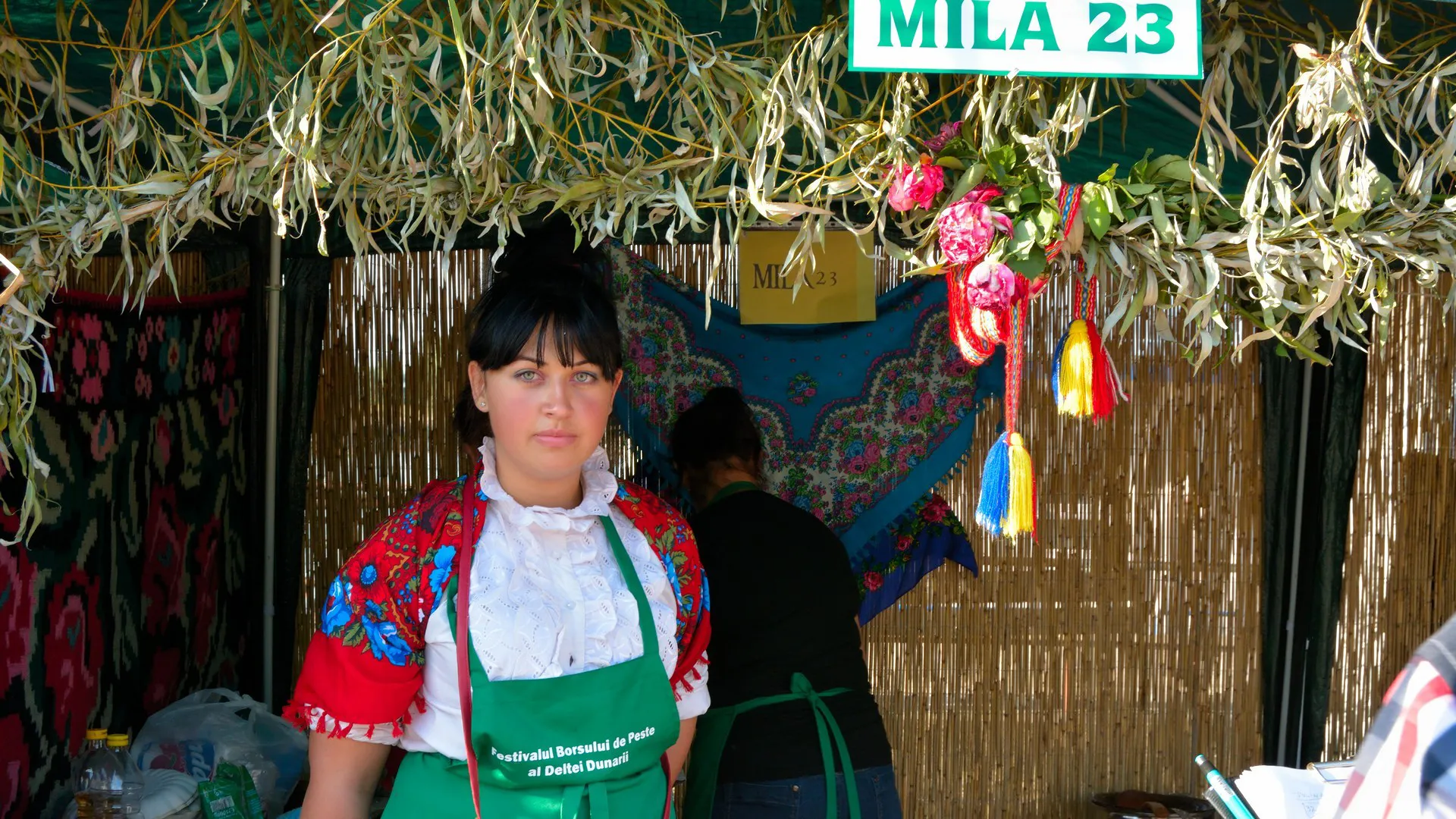
Almost every week, a guest on our boat asks the same question: what is the difference between the Old Rite Orthodox and the Orthodox Church most people know? Mila 23, where we live, is a village of Lipovans, the Old Believers of the Danube Delta, and their faith shapes the rhythm of the village. So we decided to answer properly, once and for all: where the Old Rite comes from, what really separates it from the new one, and what you will notice when you visit a Lipovan village.
Quick facts
- Who Russian Lipovans, descendants of the Old Believers, the starovery
- When the split happened the church reforms of Patriarch Nikon of Moscow, from 1654, made official in 1667
- Sign of the cross with two fingers, as before the reform
- Church language Church Slavonic
- Calendar the old Julian calendar, so Christmas falls on 7 January
- Church seat the Old Rite Metropolis, in Brăila since 1940


One Church, Two Rites
The Old Believers did not break away over a new faith. They stayed with the old one. In 1654, Patriarch Nikon of Moscow, with the support of Tsar Alexei Mikhailovich, began a reform of the Russian Church. Its aim was to bring Russian rituals and books in line with the Greek practice of the time. The church councils of 1666 and 1667 made the reform official and condemned everyone who refused it.
A large part of the Russian people refused. For them, the rituals received when Russia became Christian, in 988, were sacred, and changing them meant betraying the true faith. They kept the old rite, and from then on they were called Old Believers, starovery, or Old Ritualists, staroobryadtsy. The Lipovans of the Danube Delta are their descendants.
What Changed and What the Old Believers Kept
To an outsider, the differences may look small. To a believer, every gesture carries a meaning, and changing the gesture changes the meaning.
The sign of the cross. Nikon imposed three fingers joined together, for the Holy Trinity. The Old Believers kept the old form: the index and middle fingers held out, for the two natures of Christ, divine and human, while the thumb and the last two fingers are joined for the Trinity. For them, the new gesture left out the Incarnation and the Crucifixion of Christ. This is the difference you are most likely to notice in a Lipovan church.
The name of Jesus. The reformed books changed the spelling from Isus (Исус) to Iisus (Иисус). For the Old Believers, adding a letter changed the holy name itself.
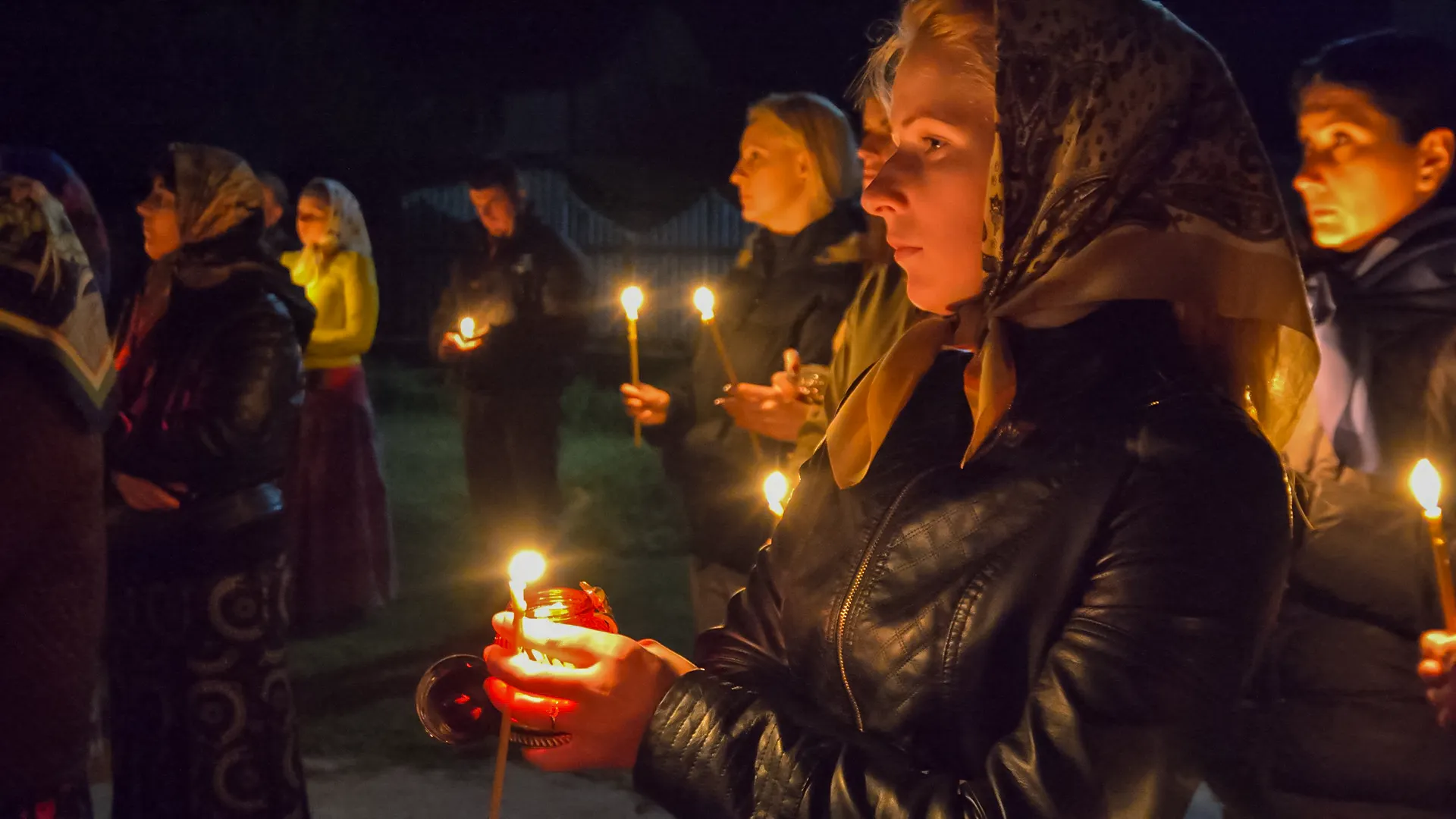
The direction of the procession. The reform asked processions around the church, such as the one at Easter, to walk against the sun. The Old Believers still walk with the sun, clockwise, as Russians had always done, following the path of the light.
The Liturgy bread. The number of prosphora, the small loaves used to prepare Holy Communion, was reduced from seven to five. The Old Believers kept seven.
The Alleluia. The Old Believers sing “Alleluia” twice, followed by “Glory to Thee, O God”. The reform imposed a triple Alleluia.
The holy books. Nikon had the Russian service books corrected after Greek books printed in the West, in Venice. The Old Believers argued that the old Russian manuscripts had kept the faith pure since the Christianisation of Russia, while the new printed Greek texts had been altered.
Churches and icons. The traditional tent shaped roofs of Russian churches were replaced with Byzantine domes, and a new style of icon painting, influenced by the Western Renaissance, came into the churches. The Old Believers kept the old style of Byzantine and Russian icons.
Why the Lipovans Came to the Danube Delta
Refusing the reform came at a high price. The Old Believers were persecuted for generations, and under Peter the Great they had to pay a double tax for keeping their faith. Many chose to leave Russia. In the 18th century, groups of them crossed the borders and settled in Dobrogea and the Danube Delta, then part of the Ottoman Empire, where they were left to keep their faith in peace. Here they found what they knew best: water, fish and reeds. They became the fishermen of the Danube Delta, and they still are.
A Church of Their Own
For almost two centuries, the Old Believers had no bishop of their own. That changed in 1846, when Metropolitan Ambrose, a Greek bishop, joined them at Belaya Krinitsa (Fântâna Albă in Romanian), a monastery in Bukovina, then part of the Austrian Empire. The Old Rite hierarchy started there. In 1940 its seat moved to Brăila, on the Danube, where the Metropolis of the Old Rite Orthodox Church still is today. The church in Mila 23, dedicated to Saint John Chrysostom, belongs to it.
What You Will Notice Today
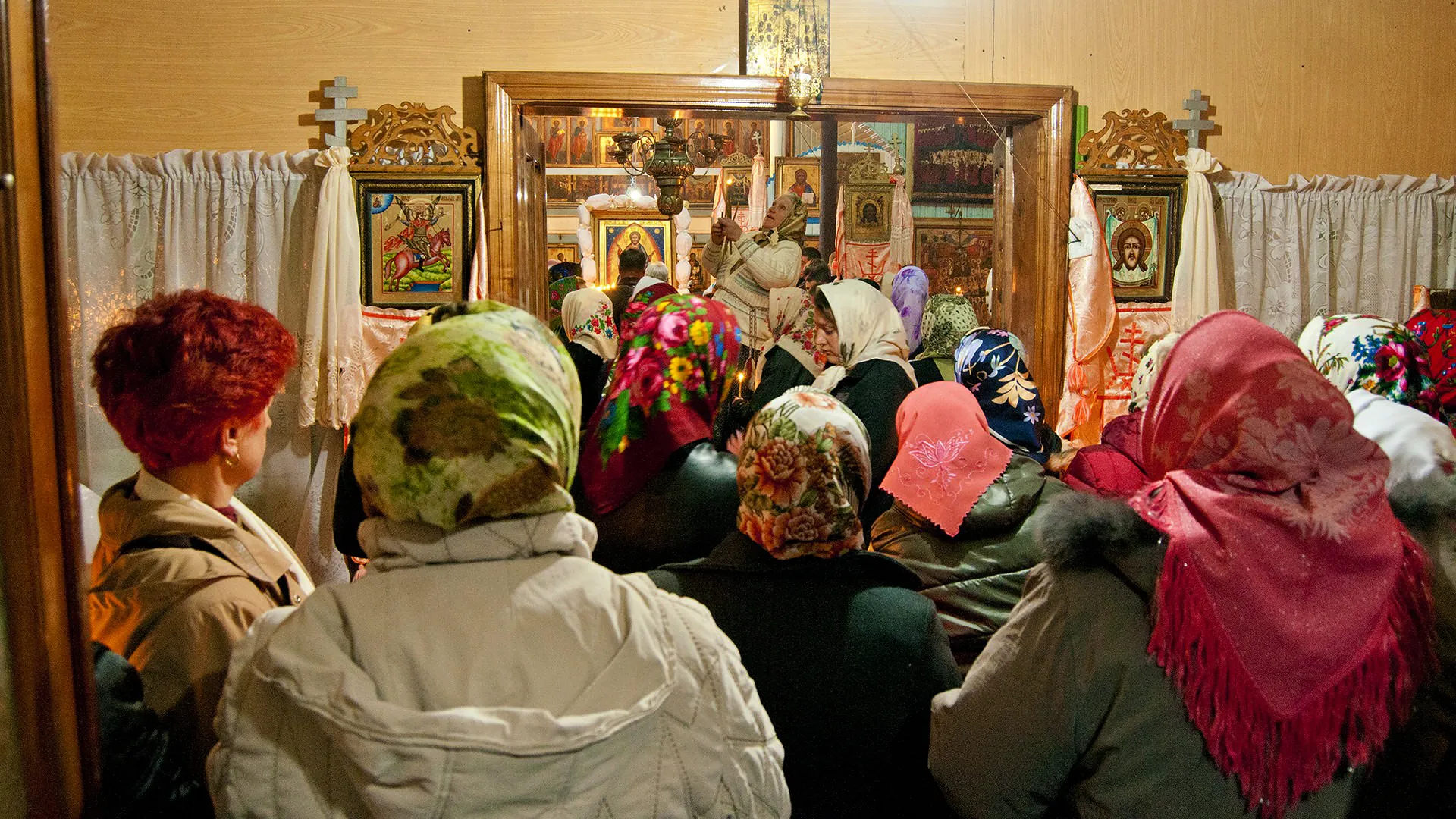
More than three centuries later, the Old Believers have kept their rite almost unchanged. Services are held in Church Slavonic and sung in unison, in the old chant, without instruments. The faithful stand through long services and make deep bows to the ground. Many hold a lestovka, a prayer rope made of leather, and use a small cushion, the podruchnik, to keep their hands clean when they bow to the floor. Men stand on the right side of the church and women on the left, with their heads covered.
The church follows the Julian calendar, thirteen days behind the civil one. Christmas is celebrated on 7 January and the New Year on 14 January, so if you visit Mila 23 in early January, you may find the village in the middle of its feasts while the rest of Romania has already finished celebrating.
Watch the Old Rite Christmas service in the church of Mila 23, filmed in the village:
Visiting an Old Rite Church
Lipovan churches are places of prayer first, so a little care goes a long way. Dress modestly, with shoulders and knees covered. Women are expected to cover their heads and wear a skirt, and men take off their hats. Always ask before taking photos, inside or during a service. Our guides know the village and its people, and they will tell you when a visit is welcome.
Mila 23 is where we live and where our boat trips start. Read more about the village in How Mila 23 Was Born and Mila 23: the Lipovan Village in the Heart of the Danube Delta, and discover why the houses are painted blue in Lipovan Blue.
See it with us
Slow open boats, small groups and a guide who knows the places and the wildlife. From a few hours on the water to a week in the Danube Delta and Dobrogea.
Keep reading
Keep reading
More from the blog

3 min read
Why Mila 23? 10 Reasons We Chose It as Our Home in the Danube Delta
Only by boat, on a quiet branch, with pelicans overhead and a different route every day: why we made Mila 23 our home in...

3 min read
Autumn in the Danube Delta: Mist, Migration and Golden Reeds
Gathering flocks, young pelicans learning to fish, misty sunrises and golden reeds: what you see in the Danube Delta in autumn, month by month.

3 min read
Romania at a Glance: Landscapes, Regions and Highlights for Visitors
Mountains, plains, the Danube Delta, Transylvania's castles and the painted monasteries of Bucovina: a short portrait of Romania for visitors.